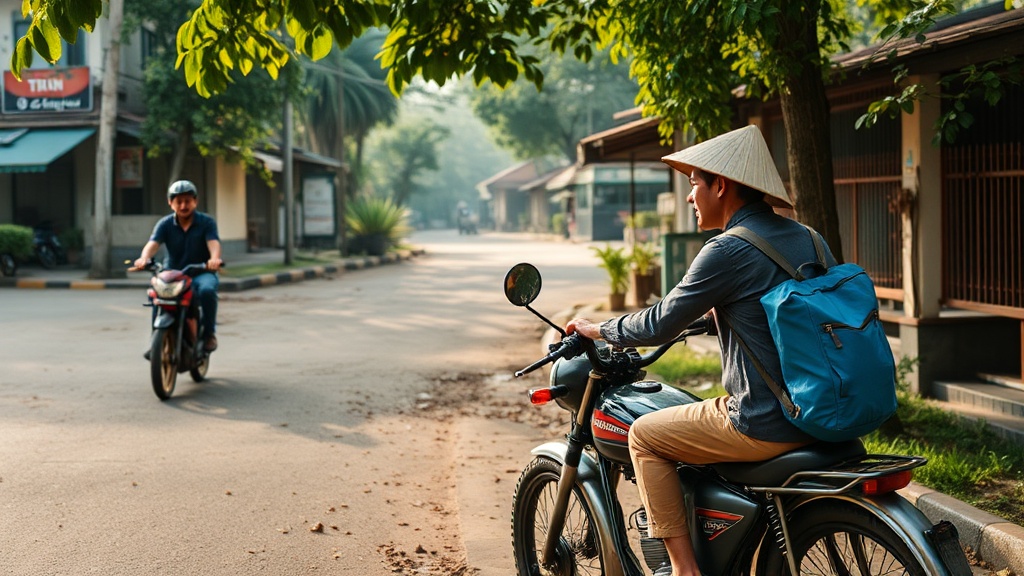
Savoring the Hidden Coffee Culture of Vietnam on Two Wheels

This guide covers the logistics, coffee varieties, and cycling-friendly stops you'll need to experience Vietnam's coffee-centric culture while touring on a bike. You'll learn how to time your stops, what to order at roadside stalls, and how to find the best caffeine-fueled rest points along popular cycling routes like the Hai Van Pass and the Mekong Delta.
Vietnam isn't just a destination for cyclists; it's a place where the rhythm of the ride is dictated by the next cup of coffee. If you're riding through the central highlands or the narrow streets of Hanoi, you'll find that coffee isn't just a drink—it's a social ritual that keeps you moving. Understanding the difference between a standard drip and a specialized cà phê sữa can actually change how much energy you have for your afternoon climbs.
What are the different types of Vietnamese coffee to try?
The most common types of coffee you'll encounter are Cà Phê Sữa Đá (iced coffee with condensed milk) and Cà Phê Trứng (egg coffee). Most coffee in Vietnam is made from Robusta beans, which have much higher caffeine content and a bolder, more bitter profile than the Arabica beans common in the West. This is exactly what you want when you've been pedaling for four hours under a humid sun.
- Cà Phê Sữa Đá: Strong dark roast coffee dripped through a metal filter, mixed with sweetened condensed milk and poured over ice.
- Cà Phê Trứng: A creamy, dessert-like drink made by whipping egg yolks with condensed milk, often served in Hanoi.
- Cà Phê Muối: Salted cream coffee that has become a massive trend in Hue; it's salty, sweet, and incredibly refreshing after a sweaty ride.
- Coconut Coffee: A blend of coffee and coconut milk/cream, often served blended (smoothie style) to help lower your body temperature.
If you're looking for a quick energy boost, skip the espresso-based drinks you're used to in Europe or the US. Instead, look for the traditional phin filter. It's a slow drip process. It takes a few minutes, but that's your chance to stretch your legs and check your tire pressure.
For those who need to understand the technical side of the beans, the history of coffee production in Vietnam shows how the country became a global powerhouse. This isn't just a hobby for locals; it's a massive industry that dictates the local economy and, by extension, the availability of great stops along your route.
How much does a coffee cost while cycling in Vietnam?
A standard cup of coffee at a roadside stall or a local "sidewalk cafe" typically costs between 15,000 and 30,000 VND (roughly $0.60 to $1.25 USD). Even in more upscale or tourist-heavy areas like Hoi An, you'll rarely pay more than 50,000 VND for a high-quality brew. This makes coffee one of the most affordable ways to refuel during a long-distance tour.
| Drink Type | Average Price (VND) | Average Price (USD) | Best For |
|---|---|---|---|
| Street Side Cà Phê Sữa | 15,000 - 25,000 | $0.60 - $1.00 | Quick energy on the go |
| Egg Coffee (Hanoi style) | 35,000 - 55,000 | $1.40 - $2.20 | A decadent mid-ride treat |
| Coconut Coffee | 40,000 - 60,000 | $1.60 - $2.40 | Cooling down in high heat |
| Specialty Cafe (Urban) | 50,000 - 80,000 | $2.00 - $3.20 | Comfortable seating/WiFi |
One thing to keep in mind: the caffeine hit from Robusta is no joke. If you're planning to ride a steep pass in the afternoon, maybe stick to a half-strength brew. You don't want the jitters when you're trying to maintain a steady cadence on a technical descent.
Where are the best coffee stops for cyclists?
The best coffee stops for cyclists are usually found at small, low-to-the-ground plastic stools near the edge of the road. These "sidewalk cafes" are perfect because they offer easy access to the street, meaning you can hop off your bike, grab a seat, and be back on the saddle in ten minutes. You don't want to be the person blocking a narrow alleyway with a touring bike while trying to enjoy a slow brunch.
If you are traveling through the central highlands, the coffee culture is even more intense. This region is the heart of Vietnam's coffee production. You'll find many small shops that serve fresh, locally roasted beans. It's a great way to support the local economy while you're out exploring. If you find yourself needing to fix a mechanical issue in these more remote areas, remember that finding reliable bike shops can be a challenge—but coffee shops are everywhere.
"The coffee in Vietnam isn't just a caffeine delivery system; it's the social glue that holds the roadside rest stops together."
I've found that planning your stops around these little coffee hubs is much more effective than looking for large cafes. When you're riding through the Mekong Delta, look for the small stalls near the riverbanks. They often have the best views and the strongest brews. It's a much more authentic experience than sitting in a sterilized franchise-style cafe.
When you're planning your route, don't forget to check your gear. If you're carrying a lot of weight, you'll need those calorie-dense, sweetened coffees more than you think. For more tips on preparing for long-haul rides, check out my guide on packing your panniers for a long distance cycling adventure. It'll help you manage your weight and balance while you're hunting for that next caffeine fix.
One practical tip: many of these roadside shops won't have much in the way of "Western" amenities. Don't expect a porcelain mug or a sanitized tabletop. You'll likely be sitting on a tiny stool that might feel a bit precarious if you're a tall person. (I've definitely had my fair share of awkward moments trying to fit my legs under a table while wearing cycling cleats!) Just embrace the chaos. It's part of the charm.
If you're traveling with a group, the coffee culture also provides a great way to regroup. Instead of a formal lunch, suggest a "coffee stop." It's a low-pressure way to catch up on the day's progress and discuss the upcoming terrain. Just be mindful of the time of day. If you drink a heavy salted coffee at 4:00 PM, you might find it hard to sleep once you reach your homestay for the night.
The weather plays a huge role here, too. In the northern parts of the country, coffee is often served hot to combat the chill. In the south, it's almost exclusively iced. Adjust your expectations based on the latitude you're currently cycling through. It's a small detail, but it makes a difference in how you prepare your body for the ride ahead.
The beauty of the Vietnamese coffee scene is its accessibility. You don't need to find a high-end cafe to get a world-class drink. Whether you're in a bustling corner of Saigon or a quiet village in the mountains, a great cup of coffee is always within reach. Just look for the small metal filters and the colorful plastic stools. They're the universal sign for "rest here and refuel."