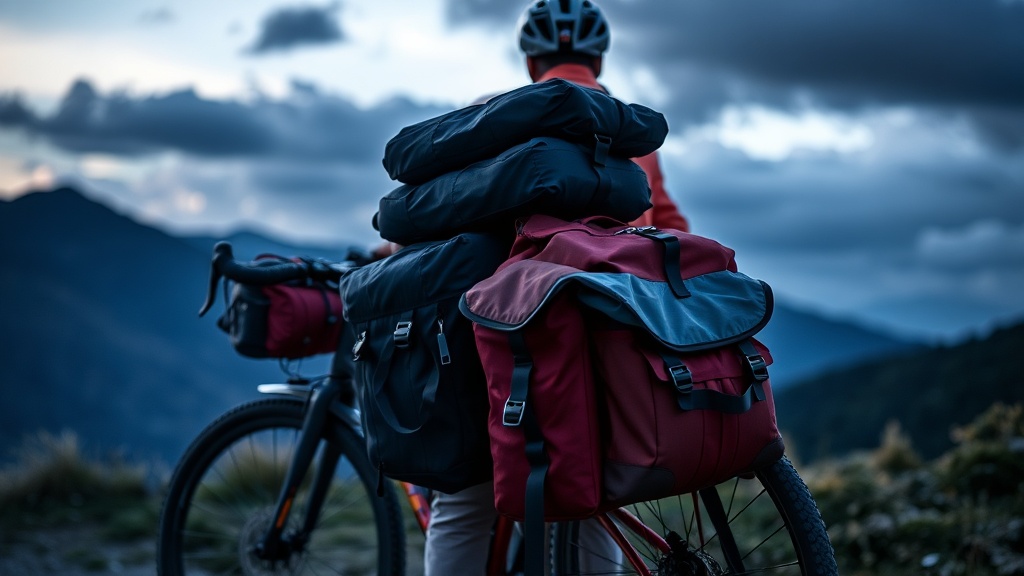
Packing Your Panniers for a Long Distance Cycling Adventure

Imagine a cyclist pedaling through a steep pass in the Pyrenees, only to realize that a heavy, unbalanced pannier is swaying wildly every time they hit a bump. The bike feels unstable, the rider is exhausted, and a single loose strap threatens to tip the whole setup into the ditch. Packing for a long-distance ride isn't just about fitting your stuff into bags; it's about weight distribution, accessibility, and keeping your bike handling predictably. This guide breaks down the logistics of organizing your gear to ensure your bike remains stable and your ride stays comfortable.
How Should You Pack Your Panniers for Balance?
You should place your heaviest items in the lowest part of the pannier and as close to the bike's centerline as possible. A high center of gravity makes a loaded bike feel "tippy" and hard to control on climbs. If you put all your heavy tools and spare tubes at the top of the bag, the bike will wobble every time you turn. It's a frustrating sensation that can lead to fatigue or even a crash.
Think of your bike like a scale. If the weight is too high, the physics work against you. I always recommend putting your heavy items—like a tool kit or a dense rain jacket—at the very bottom of the bag. This keeps the weight low and centered.
Here is a standard layering strategy for a single pannier:
- The Base Layer: Heavy, bulky items like a sleeping bag or a change of clothes.
- The Middle Layer: Medium-weight items like your daily repair kit or a light fleece.
- The Top Layer: Light, frequently used items like snacks, sunscreen, or a camera.
- The Outer Pocket: Small essentials like a phone, wallet, or a compass.
A good rule of thumb is to keep the weight symmetrical. If you have a heavy bag on the left, you need a corresponding weight on the right. A lopsided bike is a recipe for a bad time. If you're heading into the mountains, check out my guide on planning a seamless cycling tour through the French Alps to see how weight management changes when you're dealing with significant elevation gains.
What Is the Best Way to Organize Cycling Gear?
The best way to organize your gear is to use a system of categorized dry bags and packing cubes to keep everything sorted and protected. Relying on one giant, messy bag is a mistake. You'll end up digging through a pile of clothes just to find a single pair of socks, which is a pain when you're tired and hungry.
I'm a big fan of using Patagonia gear or similar high-quality dry bags to keep things organized. Using different colored bags for different categories (one for clothes, one for electronics, one for tools) makes finding things a breeze. It also keeps your gear organized even if you're riding in a downpour.
Here is how I categorize my gear for a week-long trip:
| Category | Typical Items | Storage Method |
|---|---|---|
| Clothing | Jersey, shorts, socks, underwear | Packing cubes or waterproof dry bags |
| Electronics | Phone, GPS, power bank, cables | Small, padded tech pouch |
| Tools/Repair | Multi-tool, pump, spare tubes, CO2 | Dedicated tool roll or small hard case |
| Hygiene | Toothbrush, biodegradable soap, sunscreen | Waterproof toiletry bag |
Don't forget the "quick access" items. You shouldn't have to unpack your entire bag just to grab a snack or a map. A small handlebar bag or a top-tube bag is perfect for things you need while the wheels are actually turning. It's much easier than stopping, unzipping a heavy pannier, and digging around.
How Much Weight Can a Touring Bike Carry?
Most modern touring bikes can handle between 30 and 50 pounds of gear, but you must check your specific bike's weight limit and the capacity of your racks. Always look at the manufacturer's specifications for your specific rack model—brands like Ortlieb or anything similar—to ensure you aren't overloading the metal. Overloading a rack can cause it to bend or, in extreme cases, snap under pressure.
It's tempting to pack "just in case," but every extra pound feels much heavier after 40 miles of riding. A heavy bike is slower, harder to pedal up hills, and more difficult to stop. I always try to weigh my gear before I leave home. If I see I'm pushing the limit, I'll leave something behind. Usually, it's a "maybe" item like a heavy book or an extra pair of shoes.
Weight distribution isn't just about the total number of pounds. It's about where those pounds sit. If you have a heavy load on a rear rack, your front wheel might feel "light" and twitchy. This can make steering feel disconnected. To fix this, try to move some of the weight to a front pannier or a larger handlebar bag. This balances the bike's center of gravity and makes the steering feel much more natural.
Weight is a thief of joy on long rides. If you find yourself struggling on a climb, it's likely because your bags are too heavy or the weight is poorly distributed. If you're planning a trip that involves a lot of coasting or downhill sections, a heavy rear load can also cause "speed wobbles." Keeping the weight low and centered is your best defense against a shaky ride.
One thing to consider is the type of terrain. If you're riding on paved roads, a bit of extra weight is manageable. If you're heading onto gravel or dirt paths, that weight becomes much more noticeable. The bumps will shake your gear, and a heavy bike will be harder to maneuver through turns. Always pack for the most challenging terrain you expect to encounter.
When you're packing, remember that accessibility is just as important as weight. You'll be tired, you'll be sweaty, and you'll probably be hungry. If your gear is a disorganized mess, you'll spend more time fighting your bags than enjoying the scenery. Keep it simple, keep it light, and keep it organized.