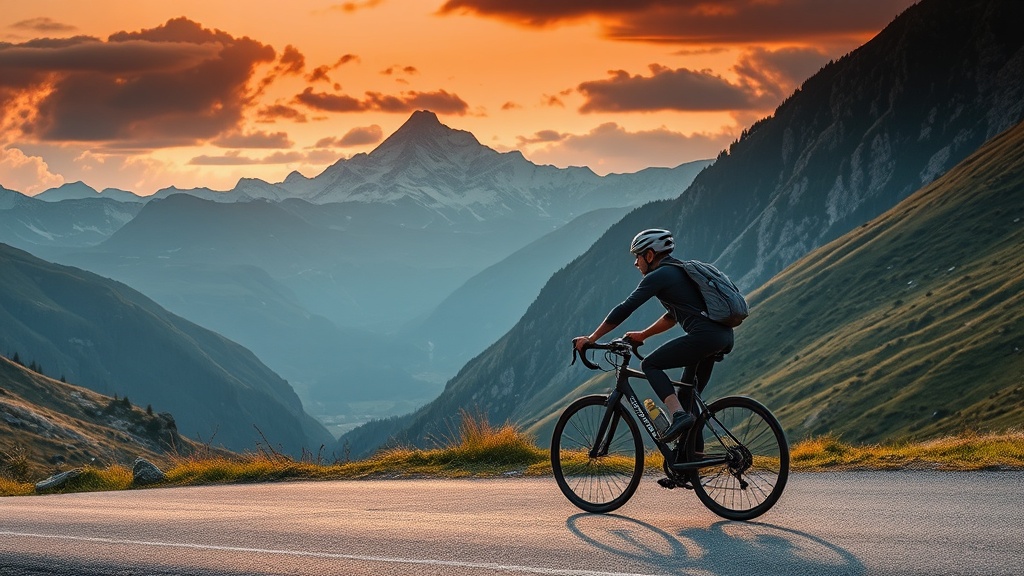
Planning a Seamless Cycling Tour Through the French Alps
Why the French Alps is a Top Choice for Cyclists
Picture this: you've just finished a grueling climb up the Col du Galibier. Your legs are burning, your lungs are searching for oxygen, but as you reach the summit, the view of the jagged, snow-capped peaks hits you. The air is thin, crisp, and incredibly cold, even in mid-July. This isn't just a ride; it's a physical feat that stays with you long after you've unclipped from your pedals. For many, the French Alps represents the gold standard of cycling vacations. It offers a mix of high-altitude challenges, breathtaking scenery, and a culture that deeply respects the rhythm of the road.
Planning a trip to this region requires more than just a sturdy bike and a set of climbing gears. You have to consider the logistics of mountain weather, the availability of mechanical support in remote valleys, and the sheer physical demand of the elevation gain. If you don't prepare for the verticality of the terrain, a dream trip can quickly turn into a struggle against the elements. This post covers the logistics of timing, gear, and route selection so you can focus on the ride itself.
When is the best time to ride in the French Alps?
Timing is everything when you're dealing with high-altitude passes. If you arrive too early in the year, you'll likely encounter snow or ice on the high climbs, making even the most experienced riders hesitate. If you arrive too late, the mountain-side accommodation might be closing for the season. The ideal window is generally between late June and mid-September.
During these months, the weather is relatively stable, and the mountain passes—the iconic cols—are reliably open to cyclists. However, even in July, the weather can shift in minutes. A sunny morning can turn into a freezing downpour by the afternoon. Always check the Météo France forecasts before heading out for the day. It's a good idea to pack a lightweight, packable rain shell and perhaps a pair of thermal gloves, even if the valley below feels warm and inviting. The temperature difference between the base and the summit can be as much as 15 degrees Celsius.
How do I transport my bike to the mountains?
One of the biggest headaches for long-distance cyclists is getting their gear to the destination. You have a few main options: flying with a bike box, shipping your bike via a courier, or renting locally. If you're bringing your own high-end carbon rig, a dedicated bike box is your best bet for a flight. It's more expensive, but it ensures your specific geometry and component setup are exactly what you want.
- Bike Boxes: Best for those with a specific setup, but requires careful packing to avoid damage in transit.
- Shipping Services: Services like BikeFlights can be much more reliable and less stressful than checking a bag on a commercial flight.
- Local Rentals: In hubs like Annecy or Chamonix, you can find high-quality rental shops. This is a great way to test out a new model before committing to a purchase.
If you choose to rent, make sure the shop carries the specific parts you might need, like specific tire widths or cassette sizes. Climbing in the Alps often means dealing with steeper gradients than typical road riding, so having the right gearing is a non-negotiable requirement. Don't settle for a standard 11-28T cassette if you plan on tackling the heavy climbs.
What gear do I need for high-altitude climbing?
The gear you pack determines how much energy you spend fighting your equipment versus enjoying the view. For the Alps, your kit should focus on versatility. You'll need a wide range of clothing to handle the temperature swings. A lightweight, breathable jersey is great for the valley, but you'll want a wind vest (gilet) for those high-altitude descents where the wind chill can be brutal.
Nutrition also becomes a critical part of your kit. When climbing for hours, your body burns through glycogen at an incredible rate. You can't just rely on a single snack; you need a constant stream of energy. I recommend a mix of solid foods like energy bars and liquid nutrition like electrolytes and carbohydrates. This keeps your energy levels steady and prevents the dreaded "bonk" halfway up a pass. If you find yourself in a remote area, remember that many mountain villages have small grocery stores, but they aren't always open during the peak riding hours of the afternoon.
Recommended Route Planning Tools
To visualize your climbs and understand the sheer scale of what you're facing, use digital tools. These are great for checking the gradient of a specific section of a climb. A 10% grade might sound manageable, but when it lasts for five kilometers, it's a different story.
| Tool Type | Example/Source | Primary Use |
|---|---|---|
| GPS Mapping | Strava | Finding popular routes and checking segment difficulty. |
| Elevation Profiling | Komoot | Visualizing the vertical gain and descent steepness. |
| Weather Tracking | Météo France | Real-time weather updates for high-altitude regions. |
Remember, the goal isn't just to reach the top; it's to enjoy the process. The Alps are a playground for those who appreciate the nuance of a well-engineered machine and a well-planned route. Whether you're a seasoned pro or a dedicated amateur, the mountain culture here is incredibly welcoming to anyone with a bicycle and a sense of adventure.