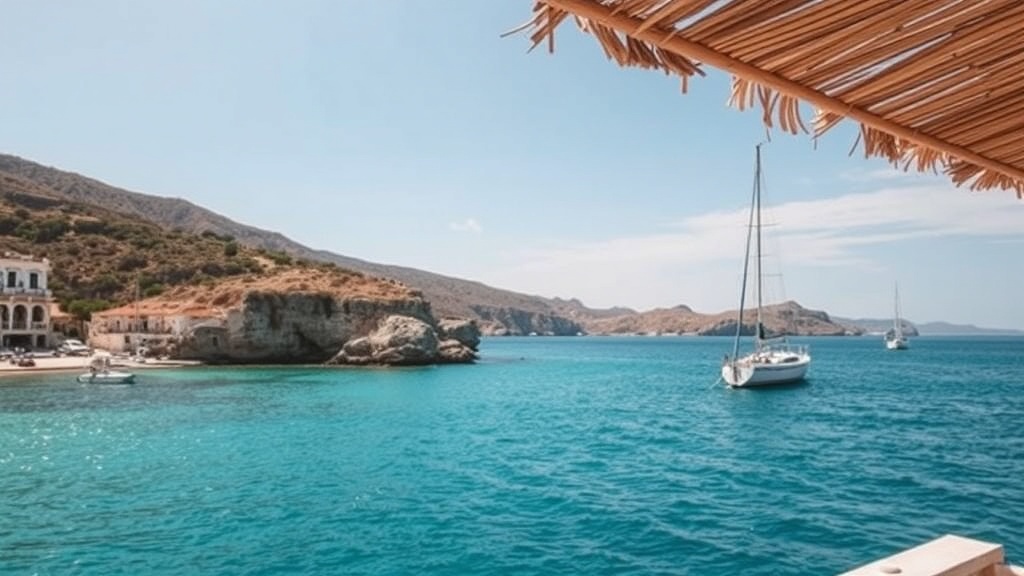
Coastal Breezes and Island Hopping Through the Cyclades

A cyclist rounds a sharp, sun-bleached corner in Naxos, only to find a steep incline waiting on the other side. The wind, a steady Meltemi blowing from the north, pushes against their chest, making every pedal stroke feel twice as heavy. This is the reality of cycling through the Cyclades. This guide breaks down the logistics of island hopping via bicycle, focusing on the best routes, the necessary gear for Mediterranean winds, and the practicalities of ferry-based bike transport.
The Cyclades offer a unique brand of freedom. You aren't just riding through a scenery; you're interacting with a complex geography of volcanic rock, white-washed villages, and intense Aegean winds. Planning a trip here requires more than just a good bike—it requires a strategy for the weather and the sea.
How Do You Move a Bicycle Between Greek Islands?
You move a bicycle between Greek islands by booking a ferry that accommodates oversized luggage or specific bike transport. Most travelers use the large high-speed or conventional ferries operated by companies like Blue Star Ferries or Hellenic Seaways. While high-speed catamarans are faster, the larger, slower vessels are much more forgiving when it comes to stowing a bike.
When you arrive at the port, you don't just roll onto the deck. There is a process. You'll usually head to the vehicle deck with your bike. It’s a bit of a chore, but it's how you keep your gear safe from the spray and the crowds. I always recommend arriving at the port at least 45 minutes early. If you're using a bike with large panniers, make sure they are securely fastened—you don't want a rogue bag sliding across the deck during a swell.
Here is a quick checklist for ferry logistics:
- Check the vessel type: High-speed boats have less space for bulky items.
- Secure your gear: Use a sturdy lock or a dedicated bike bag that won't snag.
- Book in advance: During July and August, space for non-passenger items is tight.
- Keep your valuables: Never leave your helmet or electronics in a bike bag on the car deck.
What is the Best Time of Year to Cycle the Cyclades?
The best time to cycle the Cyclades is during the shoulder seasons of May to June or September to early October. During these months, the temperatures are warm enough for comfortable riding but haven't reached the punishing heat of July or August. You also avoid the peak tourist crowds that make navigating narrow village streets a headache.
The Meltemi wind is the real boss in the Aegean. This north wind can turn a pleasant afternoon ride into a grueling battle against the elements. In the height of summer, the heat is intense—the kind that makes you question your life choices halfway up a hill—but the wind is often even more punishing. If you're planning a trip, look at the Meltemi wind patterns. If you see a forecast for heavy north winds, maybe stay in the shade and enjoy a long lunch instead of attempting a mountain pass.
If you're a fan of riding through diverse landscapes, you might enjoy exploring the hidden gastronomy of Tuscany by bicycle. The terrain there is different, but the reliance on seasonal weather and local pace is a similar concept.
Comparing the Major Cycling Islands
Not all islands in the Cyclades are created equal. Some are flatter and easier for long-distance touring, while others are essentially one giant vertical climb. Below is a breakdown of the most popular islands for cyclists.
| Island | Terrain Difficulty | Best For... | Primary Challenge |
|---|---|---|---|
| Naxos | Moderate | Long-distance touring | Varied elevation changes |
| Paros | Easy to Moderate | Coastal riding | Wind exposure |
| Santorini | High | Spectacular views | Extremely steep inclines |
| Mykonos | Low | Short, coastal loops | High tourist density |
What Gear Should You Pack for Aegean Cycling?
You should pack high-quality, lightweight gear that prioritizes sun protection and wind resistance. Because you'll likely be moving between islands, every gram counts. A lightweight, breathable setup will keep you from overheating during the midday climb, but you'll need a windbreaker for the ferry rides.
I can't stress this enough: your clothing matters. You need a reliable windbreaker or a light shell. Even on a hot day, the wind on a ferry deck or a high mountain pass can feel freezing. A good piece of gear like the Patagonia Houdini is perfect—it's tiny, packs down small, and handles the breeze beautifully.
Don't forget these essentials:
- High-SPF Sunscreen: The Greek sun is relentless.
- Hydration Bladder: You'll need more water than you think, especially if you're riding between villages.
- Digital Brake Check: If you're using a road bike, ensure your pads are fresh. The descents here are long and can be quite fast.
- Topographic Maps: GPS can be spotty in the valleys, and you'll want a physical backup.
The topography of these islands is deceptive. You might see a village that looks just a mile away, but the road to get there might involve a 15% grade. This is why a bike with a wide gear range—something with a compact crankset or a large cassette—is a lifesaver. You don't want to be stuck spinning out on a climb when the sun is beating down.
One thing to keep in mind is the surface. While many main roads are paved, many of the "back ways" are gravel or even broken asphalt. If you're bringing your own bike, a gravel-ready setup or a sturdy hybrid is often a better choice than a pure, high-pressure road bike. You'll appreciate the extra stability when the wind picks up or the road gets a bit rough.
It's also worth noting that many local tavernas are incredibly welcoming to cyclists. You'll often find plenty of space to lean your bike against a wall while you enjoy a meal. It's a much more intimate way to see the islands than doing so from a tour bus window. You get to feel the texture of the place—the salt in the air, the smell of wild thyme, and the grit of the road.
If you're looking for more inspiration on global routes, check out these 12 bucket-list cycling routes that offer a similar sense of adventure and cultural immersion.
Whether you're tackling the steep caldera of Santorini or cruising the flatter coastlines of Paros, the key is flexibility. The weather and the wind will dictate your day. Embrace the slow pace, enjoy the views, and always, always pack an extra liter of water.