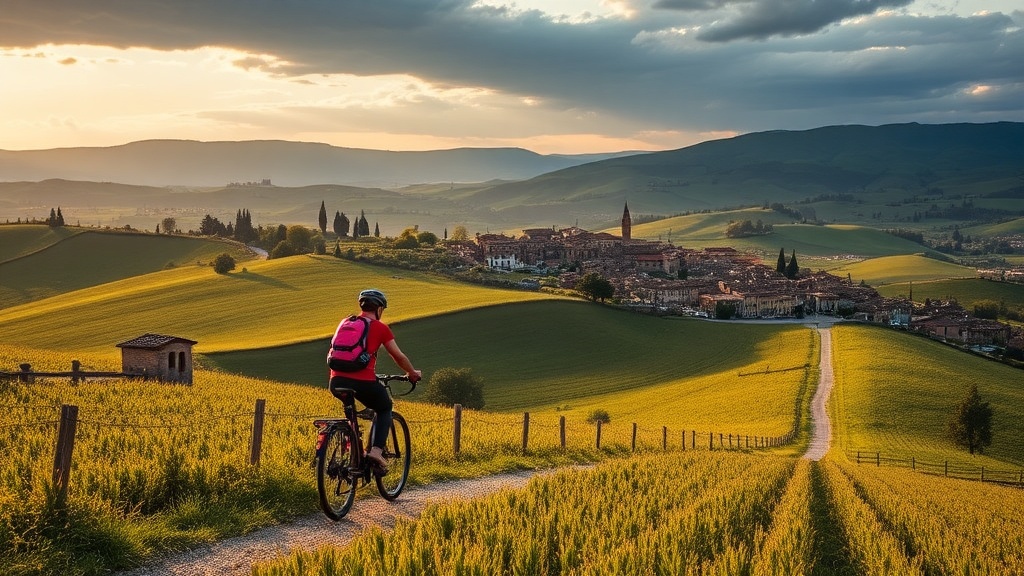
Exploring the Hidden Gastronomy of Tuscany by Bicycle

You'll learn how to plan a cycling trip through Tuscany that prioritizes local food culture, which specific regions offer the best culinary rewards, and how to manage the logistics of bike-friendly dining. This guide focuses on the intersection of high-quality cycling and authentic Italian gastronomy.
What is the best time of year to cycle and eat in Tuscany?
The best time to visit Tuscany for a food-focused cycling trip is during the shoulder seasons, specifically May to June or September to October. During these months, the weather is mild enough for physical exertion, and the harvests—whether it's the olive oil pressings or the grape harvests—are in full swing. If you try to do this in July or August, you'll likely spend more time sweating through your jersey than enjoying a glass of Chianti.
Spring offers lush green hills and blooming wildflowers, but the weather can be unpredictable. Autumn is my personal favorite because the temperature drops just enough to make a heavy pasta dish feel earned. Plus, the harvest festivals (sagre) are much more frequent during this time. These local festivals celebrate specific ingredients like truffles, chestnuts, or new oil.
If you're planning a route, keep in mind that many small, family-run agriturismos (farm stays) might have limited hours in the off-season. You don't want to arrive at a village after a grueling 50km climb only to find the only trattoria in town is closed for the season. Check local Tuscany regional information before you pack your bags.
Which regions offer the best food for cyclists?
The Val d'Orcia and the Chianti Classico regions offer the most rewarding culinary experiences for cyclists. While the rolling hills are physically demanding, the rewards at the top of every climb are unmatched. You'll find a distinct difference in flavors as you move from the coast toward the inland hills.
In the Val d'Orcia, you're looking at Pecorino di Pienza and heavy, robust red wines. This area is visually stunning, but it's the food that keeps you pedaling. If you head toward the northern part of Tuscany, the focus shifts toward the Sangiovese grapes of the Chianti region. The food here is often more rustic—think hearty beans and thick breads paired with olive oil.
Here is a quick breakdown of the regional specialties you should look for:
- Val d'Orcia: Pecorino cheese, Pici pasta (thick, hand-rolled noodles), and Brunello di Montalcino wine.
- Chianti: High-quality extra virgin olive oil, Bistecca alla Fiorentina, and Chianti Class Classico.
- Lucca/Pisa area: Seafood-based dishes and more light, Mediterranean-style fare.
I've found that the best way to experience these is to stay at an agriturismo. These are working farms that often serve the very ingredients you're cycling past. It's a way to see exactly where your lunch came from. It's also a great way to get a more authentic experience than staying in a standard hotel in a city center.
How much does a gourmet cycling trip in Tuscany cost?
A high-end culinary cycling trip in Tuscany typically costs between $250 and $500 per person, per day, depending on your luxury preferences. This estimate includes mid-to-high-range accommodation, high-quality bike rentals, and several gourmet meals. If you're more budget-conscious, you can certainly do it for less, but you'll lose the "luxury" aspect of the food tours.
The cost is largely driven by three factors: your bike setup, your lodging, and your dining. A high-end road bike from a brand like Specialized or Trek will cost more to rent than a standard hybrid, but the difference in performance on those Tuscan climbs is night and day. I highly recommend investing in a decent road bike if you're planning on doing any significant climbing.
| Expense Category | Budget Option | Mid-Range/Gourmet |
|---|---|---|
| Accommodation | $80 - $120 (B&B) | $200 - $350 (Agriturismo/Boutique Hotel) |
| Daily Food | $40 - $60 (Trattoria/Café) | $100 - $150 (Fine Dining/Wine Tastings) |
| Bike Rental | $30 (Basic Hybrid) | $70+ (Carbon Road Bike) |
Don't forget to account for the wine. It's easy to get carried away when you're sitting in a sun-drenched piazza. I once spent far too much on a bottle of Brunello because the waiter made it sound like a once-in-a-lifetime opportunity (it was delicious, but my wallet felt it). If you're looking for more inspiration on global travel, check out my post on bucket-list cycling routes.
How do I pack for cycling and dining?
Packing for a trip that involves both intense physical activity and fine dining requires a strategic approach to weight and versatility. You can't exactly ride a 10kg pannier through a vineyard, but you also can't show up to a Michelin-starred dinner in your padded cycling shorts.
The key is layering. For the cycling portion, you need moisture-wicking fabrics and high-quality gear. I never travel without my Rapha cycling kit—it's durable and looks professional enough that you don't feel out of place in a small village. For the evening, think "smart casual." A lightweight linen shirt and breathable trousers will serve you well in the Tuscan heat. You don't need a suit, but you'll feel much more comfortable in a nice restaurant if you've stepped up your game slightly.
Here is my essential packing list for a Tuscany food-and-bike tour:
- Technical Cycling Gear: Padded shorts (essential!), moisture-wicking jerseys, and high-quality cycling socks.
- Weather Protection: A lightweight, packable windbreaker or a Patagonia Nano Puff for when the temperature drops in the evening.
- Casual Evening Wear: Linen shirts, lightweight chinos, and comfortable walking shoes (you'll be walking on cobblestones, after all).
- Hydration & Nutrition: A high-quality water bottle and perhaps some electrolyte tablets to keep your energy up during the climbs.
One thing to remember: weight is your enemy on the climbs. If you're riding a self-supported tour, keep your panniers light. If you're using a supported tour service, you can afford to pack a bit more, but even then, less is more. Every extra kilogram is a pound of pressure on your legs when you hit a 10% grade in the Chianti hills.
When you're planning your route, look for towns that are "bike-friendly." This doesn't just mean having bike racks; it means the local culture accepts cyclists as part of the scenery. In many Tuscan villages, you'll see locals with bikes parked right outside the best bakeries. That's a good sign. It means the food is accessible and the pace of life is slow enough to enjoy.
If you find yourself in a small village with a single pharmacy or grocery store, keep an eye out for local honey or balsamic vinegar. These are small, inexpensive luxuries that make a great souvenir and a way to bring a bit of the Tuscan experience back home. Just make sure you have a sturdy, hard-sided case if you're flying with it—glass bottles and bike luggage rarely mix well in checked baggage.
The real magic happens when you stop looking at your GPS and start looking at the menus. The best way to find the best food isn't through a star rating on a website; it's by following the locals. If you see a group of elderly men sitting outside a cafe with espresso, you've found the right spot. If the menu is only in Italian, you've definitely found the right spot.