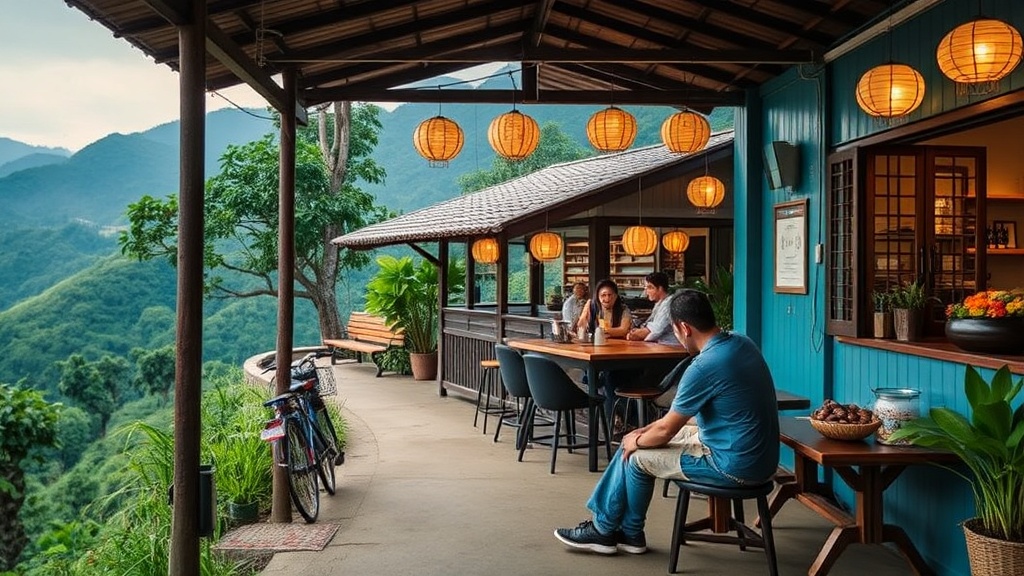
7 Hidden Gem Coffee Stops Along the Vietnam Central Highlands

The Traditional Robusta Experience in Buon Ma Thuot
Highland Views and Slow Drip Coffee in Da Lat
Hidden Mountain Cafes in Kon Tum
The Perfect Espresso Stop in Pleiku
Exploring Local Coffee Farms near Kontum
Morning Brews in the Valley of Dak Lak
Artisanal Coffee Blends in Gia Lai
Most cyclists believe that the best coffee in Vietnam is found in the bustling cafes of Hanoi or the high-end coffee shops of Ho Chi Minh City. They're wrong. While those cities have great caffeine, the real, high-altitude, single-origin magic happens in the Central Highlands—specifically around the coffee-growing regions of Dak Lak and Gia Lai. This post identifies seven specific, off-the-beaten-path coffee stops that are worth the detour during your cycling tour through the interior of Vietnam. If you're planning a trip through these provinces, these stops will keep your energy up and your palate engaged.
Where to Find the Best Coffee in the Central Highlands?
The best coffee is found in the small, family-run shops tucked between the vast coffee plantations of Buôn Ma Thuột and Pleiku. Unlike the polished cafes in the cities, these spots focus on the raw, unadultered flavors of the region's volcanic soil. You'll find a heavy emphasis on Robusta here, though the specialty Arabica scene is growing rapidly. It's a far cry from the commercial instant coffee most tourists are used to.
When you're riding through these provinces, you'll notice the terrain changes from coastal flatlands to rolling, red-dirt hills. This is where your endurance matters. (By the way, if you're still figuring out your gear, check out my guide on choosing the right tires for gravel adventures, as these dirt roads can get messy during the rainy season.)
1. The Hidden Roastery in Buôn Ma Thuột
This isn't a fancy cafe with Wi-Fi; it's a small, local operation where the beans are roasted on-site. The aroma hits you before you even park your bike. It’s intense, earthy, and perfect for a mid-morning pick-me-up. The owner often lets you watch the roasting process—a bit of a spectacle if you're into the technical side of coffee. The coffee here is thick, dark, and often served with a side of condensed milk to cut the bitterness.
2. The Roadside Stall near Chayáp
This is a classic "stop and go" spot. It's just a wooden bench and a small stove, but the coffee is legendary among local cycling groups. It's cheap, it's fast, and it's incredibly strong. If you need to shake off the fatigue of a long climb, this is your spot. The locals don't care about latte art; they care about the caffeine kick.
3. The Plantation Estate Cafe
Located right on the edge of a massive coffee estate, this cafe offers a view that's hard to beat. You'll see the endless rows of coffee trees stretching toward the horizon. It's a great place to sit for an hour and just soak in the silence. The coffee here is a bit more refined, often featuring notes of chocolate and spice. It's a higher-end experience than the roadside stalls, but still very much rooted in the local culture.
How Much Does Coffee Cost in Central Vietnam?
A standard cup of local coffee typically costs between 15,000 VND and 35,000 VND ($0.60 to $1.50 USD). Prices vary depending on whether you are at a basic roadside stall or a slightly more established cafe within a town. For a cyclist on a budget, these prices are a dream. You can easily fuel your entire day for less than the price of a single protein bar back home.
| Type of Coffee | Typical Price (VND) | Estimated Price (USD) | Best For |
|---|---|---|---|
| Cà Phê Đen (Black Coffee) | 15,000 - 20,000 | $0.60 - $0.80 | Quick energy boost |
| Cà Phê Sữa (With Condensed Milk) | 20,000 - 30,000 | $0.80 - $1.25 | Reward after a climb |
| Specialty Arabica Pour-over | 45,000 - 70,000 | $1.80 - $2.80 | Slow rest/Sightseeing |
4. The High-Altitude Brew in Kon Tum
Kon Tum is often overlooked by travelers heading straight for Da Lat, but that's a mistake. The coffee here has a distinct brightness. Because of the altitude, the beans develop a different profile. It's a bit more acidic and fruity than the heavy Robusta found further south. It's a great place to recalibrate your palate during a long-distance tour.
5. The Village Market Brew
If your route takes you near the smaller ethnic minority villages, look for the morning markets. You'll find coffee being brewed in large pots over charcoal-fired stoves. This is the most authentic way to experience the region. The coffee is often quite strong—sometimes even a bit too much for the uninitiated—but it's the real deal. It's a communal experience as much as a culinary one.
6. The Modernist Cafe in Pleiku
For those who miss a bit of comfort, Pleiku has a burgeoning specialty coffee scene. These shops are a bit more "modern" and often cater to a younger, urban crowd. You'll find better seating and perhaps even some decent snacks. It's a good place to plan your next leg of the trip or check your GPS. The coffee is high quality, often using beans from the surrounding hills.
7. The Sunset Brew at the Foothills
This is a more ephemeral stop. It's a small-scale setup that moves with the sun. It’s located near the base of the hills where the light hits just right in the late afternoon. It's the perfect way to end a day of riding. The coffee is usually served slightly less intense, making it a great companion to a sunset view. It's a quiet, reflective way to end a long day in the saddle.
What Equipment Do I Need for Coffee-Focused Cycling?
You don't need much more than a small amount of cash and a sense of adventure. Most of these stops are extremely casual, so there's no need for fancy gear. However, if you're a true coffee obsessive, a lightweight, portable hand grinder and a small AeroPress might be worth the extra weight in your panniers. Most of these places use traditional drip methods, but having your own gear allows you to experiment with the local beans in your accommodation.
The weather in the Highlands can be unpredictable. One moment it's bright and sunny, the next it's a downpour. I always suggest bringing a lightweight, waterproof shell. It's not just for the rain—it's also for those chilly highland mornings when you're sitting outside a cafe. Even in the tropics, the altitude makes the air feel much cooler once the sun goes down.
The coffee culture here is deeply tied to the global coffee industry and the history of the region. It's not just a drink; it's a way of life. When you stop at these places, you aren't just getting a caffeine hit—you're participating in a local tradition that has shaped this part of the world for decades. It's a way to connect with the people who live and work on these hills every single day.
If you're looking for more advice on managing your gear and your energy levels, you might find my post on packing light for long distance bicycle touring helpful. It's all about finding that balance between having what you need and not being weighed down by unnecessary items.
The beauty of the Central Highlands is that it rewards the curious. If you stick to the main highways, you'll miss the best parts. You have to be willing to turn off onto those smaller, unpaved roads. It takes a bit more work, but the payoff—both in terms of the views and the coffee—is absolutely worth the effort.