Choosing the Right Tires for Gravel Adventures

Quick Tip
Match your tire tread pattern to the local terrain to balance speed and grip.
A fine layer of loose limestone dust settles on your top tube, and the rhythmic crunch of gravel beneath your wheels provides the only soundtrack to a quiet afternoon in the backcountry. Selecting the right tires determines if that sound is a smooth hum or a jarring vibration that ruins your ride. This post breaks down how to choose tire width, tread patterns, and casing-types for your next gravel excursion.
How Wide Should Your Gravel Tires Be?
Most gravel riders find the sweet spot between 38mm and 45mm for a balance of speed and stability. If you're planning to ride heavy bikepacking setups, you might want to lean toward a wider 47mm or even 50mm tire. A wider tire allows for lower tire pressure, which helps absorb those pesky bumps on unpaved roads.
Think about your specific terrain. A narrow tire feels fast on hard-packed surfaces but can feel twitchy and unstable when things get loose. On the other hand, a wider tire provides a larger contact patch—giving you much better grip in corners.
| Tire Width | Best For... | Typical Feel |
|---|---|---|
| 35mm - 38mm | Fast gravel and light dirt | Agile and snappy |
| 40mm - 45mm | Mixed surfaces and touring | Stable and forgiving |
| 47mm+ | Heavy bikepacking/Loose terrain | Plush and heavy |
What Type of Tread Do You Need?
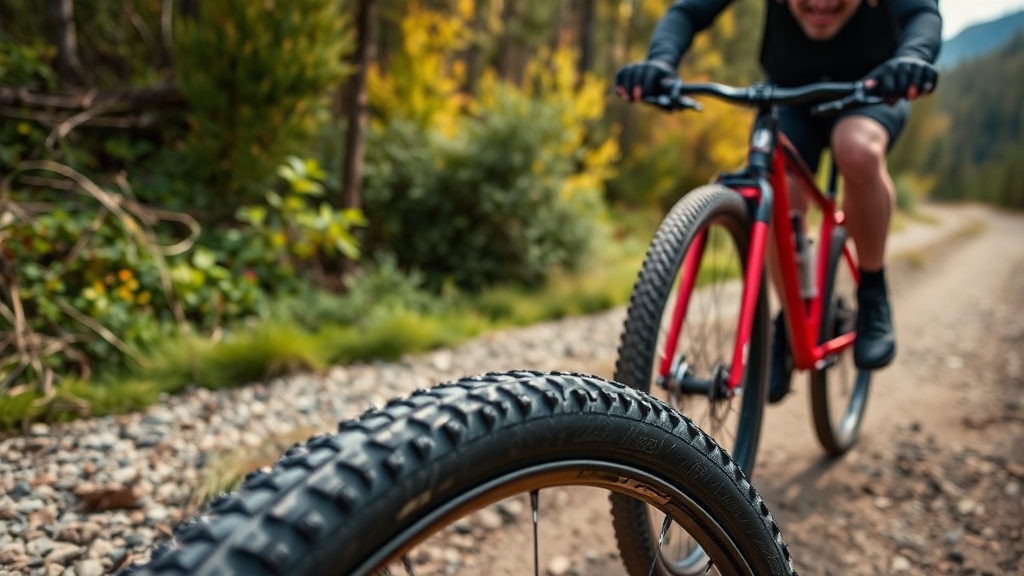
Tread patterns depend entirely on how much "side knob" you need for cornering on loose surfaces. Smooth center treads are great for speed on gravel-adjacent roads, while aggressive side knobs keep you upright when the road turns into a muddy trail.
When you're packing light for long-distance bicycle touring, you might prioritize a lighter weight, but don't sacrifice durability. A puncture is the last thing you want when you're miles from civilization. I often look at the technical specifications of tire casings to see how much protection they offer against sidewall cuts.
Here is a quick checklist for your next purchase:
- Knobby center tread: Best for loose, sandy, or chunky surfaces.
- File tread: Best for high-speed, smooth gravel paths.
- High TPI (Threads Per Inch): Results in a more supple, comfortable ride.
- Tubeless Ready: Highly recommended to prevent pinch flats.
Popular options like the WTB Resolute or the Maxxis Rambler are staples in the gravel community for a reason. They handle different textures without feeling like you're riding heavy mountain bike tires. Just remember, a more expensive tire isn't always the "better" one—it's just the one that fits your specific route.