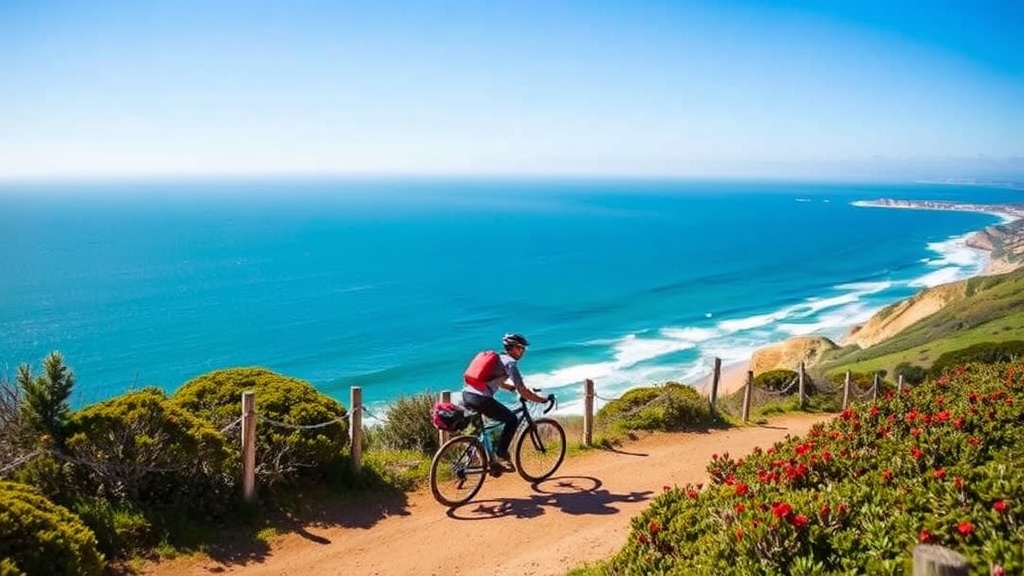
Where to Find the Best Coastal Cycling Routes in Portugal

Portugal is home to more than 2,500 kilometers of dedicated cycling paths, yet many travelers never see them.
Most people head to Portugal for the wine or the beaches, but they miss the fact that the country's coastline offers some of the most spectacular two-wheeled paths in Europe. This post looks at the best regions to cycle through, from the rugged north to the sun-drenched south. Whether you're looking for a flat cruise along the Atlantic or a challenging climb through limestone cliffs, these routes offer something for every type of traveler. We'll look at the specific regions that provide the best infrastructure for cyclists and the best way to experience them.
Where is the best place to cycle the Portuguese coast?
The Algarve is often the first place people think of for a coastal trip, but it's not just about golf courses and resorts. The southern coast offers a mix of sheltered coves and wind-exposed stretches. If you're looking for something more dramatic, the Alentejo coast—often called the Costa Vicentina—is a different beast entirely. It’s much more rugged and less developed than the Algarve. You'll find massive dunes, wild cliffs, and far fewer crowds. This is a great spot if you want to feel like you've truly escaped the modern world. However, be prepared for the wind; it can be a real test of your stamina.
For those who prefer a bit more structure, the EuroVelo 1 (The Atlantic Coast Route) runs through much of Portugal. This means you aren't just wandering blindly; you're following a recognized path that connects various points of interest. Following a marked route helps immensely when you're trying to find your way back to a rental shop or a specific hotel. If you're planning a long-distance trip, I'd suggest looking at the EuroVelo 1 details to see how the paths connect across the various regions. It's a great way to ensure your route is actually rideable and well-marked.
How much should I budget for a cycling trip in Portugal?
Budgeting for a cycling vacation involves more than just your flight and a hotel. You have to think about bike rentals, gear, and the occasional repair. In the Algarve, you'll find plenty of high-end rental shops that offer everything from lightweight road bikes to sturdy touring bikes. In more remote areas like the Alentejo, your options might be limited to smaller, local shops. It's wise to budget an extra 15% for unexpected expenses like a flat tire or a broken chain. You can check current bike rental prices on sites like TripAdvisor to get an idea of what to expect in different cities.
The cost of food and accommodation can vary wildly. In coastal towns, prices might be higher during the peak summer months. If you want to save, consider staying in smaller villages just a few kilometers inland from the coast. You'll find much lower prices and a more authentic feel. Also, don't forget to account for the cost of transport if you're taking your bike on a train or bus. Most Portuguese trains have specific rules for bicycles, so check the Comboios de Portugal website ahead of time to avoid any awkward moments at the station.
What are the best cycling routes for beginners?
If you aren't a seasoned pro, the flatter sections of the Alentejo coast or the northern parts of the Algarve are your best bet. You want routes that don't involve massive elevation gains right out of the gate. A good rule of thumb is to look for paths that stay near the sea level. The coastal paths often follow old railway lines or old roads, which means they are generally flatter and much more forgiving on your legs. This allows you to enjoy the scenery without being constantly out of breath.
- The Algarve Coastal Path: Great for easy riding and frequent stops at seaside cafes.
- The Alentejo Coast: Best for those who want a bit of solitude and a more natural landscape.
- The North Coast: More rugged and often wetter, but offers beautiful, wild scenery.
Don't underestimate the power of a good pace. Even on a "flat" route, the wind can make it feel like you're riding up a mountain. I always recommend bringing a lightweight windbreaker, even in the summer. It’s better to have it and not need it than to be shivering during a lunch break. If you're a beginner, maybe start with a two-day trip before committing to a full week-long tour. This helps you gauge how much physical exertion is actually required for the terrain you've chosen.
One thing to keep in mind is the sun. The Portuguese sun is incredibly strong, especially when you're moving through the wind and don't feel the heat as much. Wear high-SPF sunscreen and a hat. If you're cycling through the Alentejo, there's very little shade once you leave the small villages, so staying hydrated is a top priority. Carry more water than you think you'll need. A small hydration pack can be a lifesaver when you're miles from the next village.
Lastly, consider the time of year. Spring and autumn are arguably the best times to ride. The weather is pleasant, the temperatures are manageable, and the crowds aren't as thick. In the height of summer, the heat can be quite intense, which can make a long ride quite draining. If you go in the summer, try to do your longest stretches in the early morning or late afternoon when the sun isn't at its peak. This keeps your energy up and makes the experience much more enjoyable.