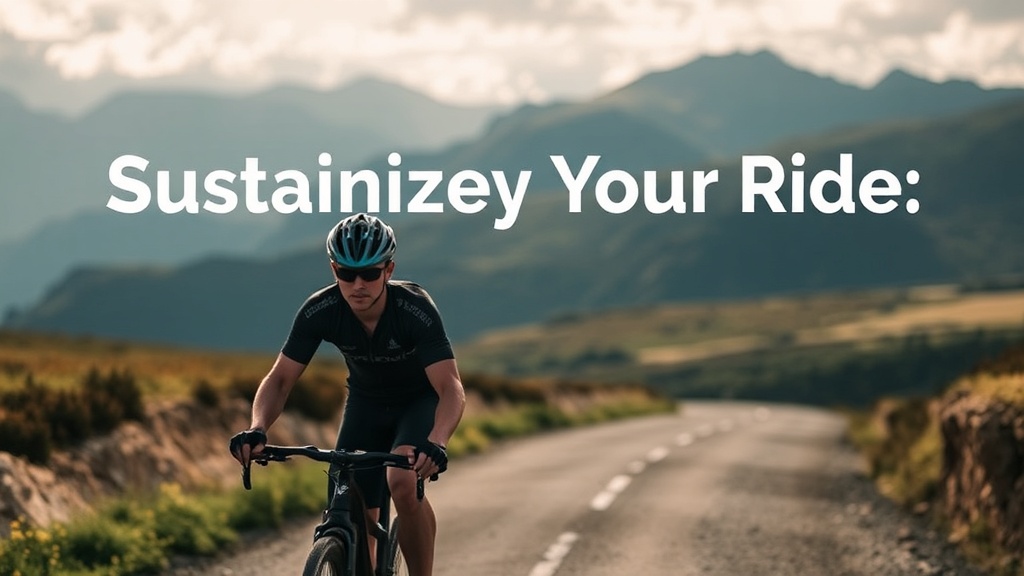
Sustaining Your Ride: Fueling Strategies for Longer Cycling Days

Ever found yourself hitting the wall mid-ride, feeling your energy plummet and legs turn to lead?
It's a common experience for many cyclists, often stemming from inadequate fueling – a problem that can quickly turn an enjoyable outing into a miserable slog. This post explores effective nutritional strategies to keep your tank full before, during, and after extended cycling adventures, ensuring you maintain performance and genuinely enjoy every mile. Understanding how to properly fuel your body isn't just about avoiding discomfort; it's about optimizing your endurance, enhancing your recovery, and ultimately, making your time on two wheels more rewarding and consistent. We’ll break down the science into actionable steps, giving you the confidence to tackle any distance, from challenging century rides to multi-day tours, without the dreaded bonk.
What should I eat before a long ride?
Your pre-ride meal sets the stage for success, serving as the critical foundation of your energy stores. The primary goal here is to top up your glycogen reserves – your body’s preferred fuel source for moderate to high-intensity exercise – without causing digestive distress once you start moving. Skimping on this meal is a sure path to an early energy deficit, making the rest of your ride an uphill battle.
Focus primarily on complex carbohydrates. Think whole grains like oatmeal, brown rice, quinoa, or pasta. Baked potatoes, sweet potatoes, and whole-wheat toast are also excellent choices. These foods release energy slowly and steadily into your bloodstream, preventing sharp spikes and crashes in blood sugar that can leave you feeling fatigued. Aim to consume this meal a comfortable two to four hours before you plan to start pedaling. This timing allows for proper digestion and absorption, ensuring the energy is readily available when you need it most. If your main meal was several hours prior, a smaller, easily digestible snack, like a banana or a slice of toast with honey, can be consumed about 30-60 minutes before shorter rides or as a top-up.
“Proper pre-ride nutrition focuses on maximizing glycogen stores. Complex carbohydrates are key for sustained energy release.”
While protein and healthy fats are part of a balanced diet, they aren't the priority for this specific meal, as they slow digestion. Including them in small amounts is fine – perhaps a dollop of yogurt with your oats or a thin spread of avocado on toast – but avoid heavy, fatty, or overly protein-rich foods right before your ride. Similarly, too much fiber can lead to stomach upset or unwanted pit stops, so consider lower-fiber options if you have a sensitive stomach. Experiment during training rides to discover what works best for your body; what one cyclist thrives on, another might find unsettling.
Hydration, too, begins long before you clip in. Start consciously increasing your fluid intake a day or two before a long ride. Water is always king, but incorporating electrolyte-rich fluids, like diluted sports drinks or coconut water, can also be beneficial, especially in warmer climates or if you’re prone to heavy sweating. Don't wait until the morning of your ride to start chugging water; consistent, measured hydration throughout the days leading up to your ride is far more effective. By starting well-hydrated, you gain a significant advantage, delaying the onset of fatigue and improving overall physiological function.
How do I refuel during a lengthy cycling trip?
Once you’re out on the road, your body’s glycogen stores begin their inevitable depletion. For rides lasting longer than 90 minutes, it's absolutely pivotal to continuously replenish these energy reserves. This isn't just about avoiding hunger; it’s about sustaining consistent performance, maintaining mental focus, and preventing the dreaded “bonk” – a sudden and severe energy crash that can leave you utterly drained, miles from home. The golden rule here is to eat before you’re hungry and drink before you’re thirsty.
The general guideline for on-ride fueling is to consume between 30 and 60 grams of carbohydrates per hour for rides up to two hours, and 60 to 90 grams per hour for longer, more intense efforts. This might sound like a lot, but it’s most effectively distributed across the ride, taken in small, frequent doses every 15-20 minutes. Your gut can only absorb a finite amount of carbohydrates per hour, so trying to cram it all in at once is inefficient and can lead to gastrointestinal distress.
Consider a varied approach to your on-bike fuel sources to prevent flavor fatigue and ensure broader nutrient intake: energy gels for quick boosts, chews or gummies for a different texture, and easily digestible energy bars for more substantial fuel. Many cyclists also favor 'real food' options like bananas, dried fruit, or small sandwiches – these can often be gentler on the stomach and provide a wider range of micronutrients. Sports drinks are also excellent, offering both carbohydrates and electrolytes to replace those lost through sweat, making them a dual-purpose solution.
Consistency is key. Aim to eat or drink something every 20-30 minutes, even if you don't feel hungry. Practice your fueling strategy during training rides; your gut needs to be trained just like your legs to efficiently process fuel under stress. This 'gut training' is often overlooked but can make a profound difference in your comfort and performance.
Hydration on the bike is equally important. Dehydration significantly impairs performance and can be dangerous. Aim to drink 500ml to 1 liter of fluid per hour, adjusting based on temperature, humidity, and your personal sweat rate. For rides over an hour, especially in warm conditions, electrolyte tabs or drinks are highly recommended. These replace vital minerals like sodium, potassium, and magnesium, which are lost through sweat and are important for muscle function and preventing cramps. A good strategy is to alternate between plain water and an electrolyte drink in your bottles to ensure you’re getting both pure hydration and the necessary minerals. Listen to your body, but don’t wait until you’re thirsty. (For more detailed information on sports nutrition, refer to resources like