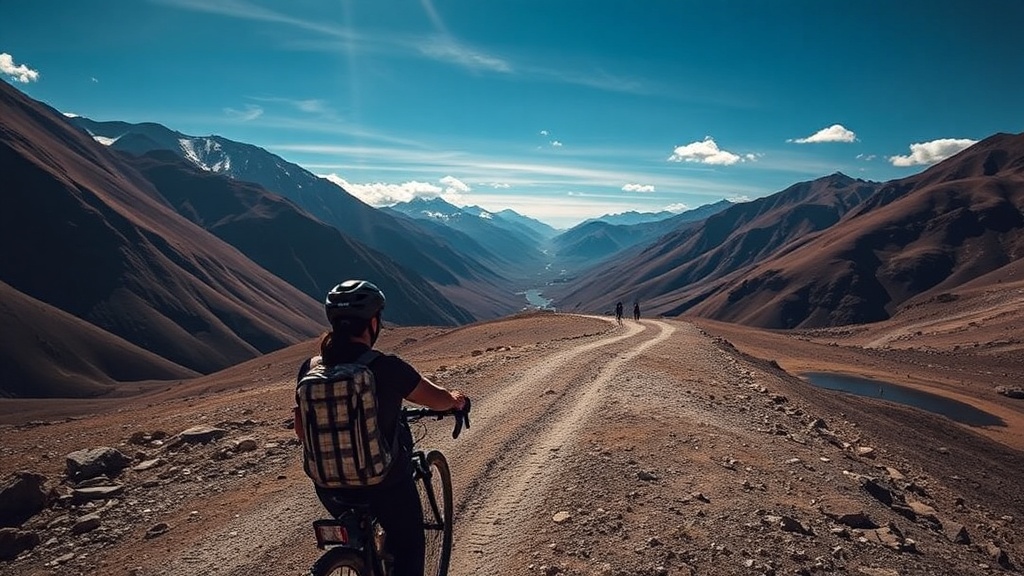
Navigating the High Altitudes of the Andes on Two Wheels
Have you ever wondered if your lungs can actually handle a 4,000-meter climb while pedaling a loaded touring bike? This guide breaks down the physical preparation, gear requirements, and logistical realities of cycling through the Andes mountain range. We'll look at altitude sickness prevention, the specific bike parts you need for steep grades, and how to manage your pace when oxygen becomes scarce.
The Andes aren't just a mountain range; they're a massive physiological hurdle. You aren't just fighting gravity—you're fighting the thinning air. If you don't prepare correctly, a simple climb can turn into a medical emergency. It's not about how much power you can push; it's about how well you manage your energy and oxygen levels.
How Do I Prepare My Body for High Altitude Cycling?
The best way to prepare is through a combination of gradual acclimatization and focused aerobic training before you arrive.
You can't just show up in Quito or Cusco and expect to ride a Col with ease. Most successful cyclists spend at least three to five days at a moderate altitude before attempting any significant climbs. This allows your body to increase its red blood cell count naturally. If you're a serious cyclist, you might consider looking into altitude sickness research to understand how hypoxia affects muscle performance.
Don't underestimate the importance of hydration. At high altitudes, you lose moisture through respiration much faster than at sea level. Keep a constant supply of electrolytes—not just plain water—to keep your blood volume stable. I've found that using a hydration bladder with a high-flow bite valve makes it easier to sip constantly without having to stop and reach for a bottle.
Training should focus on sustained, low-intensity efforts. You need a base of endurance that allows your heart to work efficiently under stress. High-intensity intervals are fine, but for the Andes, you want a massive aerobic engine. Think long, slow rides that build your capacity to endure hours of grinding at a steady cadence.
What Gear Should I Bring for Andean Cycling?
You need a wide range of gears, high-quality braking systems, and layered clothing that handles rapid temperature swings.
The weather in the Andes is unpredictable. You might start a climb in a short-sleeved jersey and end it shivering in a heavy jacket. Layering is your best friend here. I always pack a lightweight, packable shell and a mid-layer like the Patagonia Nano Puff for when the wind picks up on the descents.
Your bike needs to be built for steep, technical climbs. If you're riding a road bike, make sure you have a compact crankset and a cassette with a wide range—at least a 32t or 34t cog in the back. If you're on a gravel or mountain bike, a 1x drivetrain with a large range is even better. You'll be grateful for that extra gear when the grade hits 12%.
Here is a checklist of essential gear for high-altitude touring:
- Braking: Disc brakes are a non-negotiable for long, steep descents.
- Tires: Wider tires (32mm to 45mm) provide better stability on loose mountain-side gravel.
- Clothing: Merino wool base layers (they stay warm even when damp) and a high-quality windbreaker.
- Nutrition: Easily digestible carbohydrates and electrolytes to combat the fatigue of low oxygen.
- Navigation: A dedicated GPS unit with offline maps, as cellular service is non-existent in many high passes.
Comparing Bike Setup Options
| Feature | Road/Endurance Setup | Gravel/Adventure Setup |
|---|---|---|
| Gear Ratio | Compact (50/34) | Wide Range (1x or 1x11) |
| Tire Width | 28mm - 32mm | 35mm - 45mm |
| Braking | Disc Brakes (Standard) | Disc Brakes (High Performance) |
| Best Use | Paved mountain passes | Unpaved mountain roads |
How Much Does It Cost to Cycle the Andes?
Costs vary wildly depending on whether you are self-supported or using a guided service, but expect to budget for high-quality nutrition and local transport.
If you're traveling solo, your biggest expenses will be your flights and high-quality gear. Once you're on the ground, many parts of South America are relatively affordable. However, don't try to save money on your food. You'll need calorie-dense meals to fuel your rides, and eating well is a big part of the recovery process.
One thing to consider is the cost of logistics. If you're riding through remote areas, you might need to pay for local "colectivos" (shared taxis) or buses to get your bike from one point to another. This is often more efficient than riding through every valley. If you're looking for more inspiration on diverse cycling trips, check out these bucket-list cycling routes to see how different terrains demand different budgets.
Don't forget to budget for medical insurance that specifically covers high-altitude activities. A standard travel policy might not cover you if you're cycling at 4,000 meters. It's a small price to pay for peace of mind.
What Are the Most Important Safety Rules?
The most important rules are listening to your body, monitoring your breathing, and never ignoring signs of altitude sickness.
If you feel a persistent headache, nausea, or dizziness, stop immediately. This isn't a "push through it" situation. These are early warning signs of Acute Mountain Sickness (AMS). If the symptoms don't clear up with rest and hydration, you must descend to a lower altitude. There is no substitute for descending when it comes to altitude-related illness.
Also, watch your descent speed. The air is thinner, which can affect your perception of speed. You might feel like you're going slower than you actually are. Ensure your brake pads are in top condition before you start; the heat generated on long Andean descents can glaze even high-end brake pads if you're not careful.
Keep an eye on the weather. Storms in the mountains can roll in with almost no warning. If you see dark clouds gathering or feel a sudden temperature drop, find shelter. Riding in high-altitude mountain storms is dangerous due to the combination of low visibility and rapidly falling temperatures.
Lastly, always tell someone your route. Even if you're a seasoned solo traveler, the isolation of the Andes is real. Leave a detailed itinerary with your hotel or a friend. If something goes wrong, you need a way for people to know where to start looking for you.
Managing your pace is everything. You'll likely find yourself riding much slower than your usual sea-level average. That's okay. The goal is to finish the climb, not to set a personal record. Enjoy the views, breathe deeply, and let the mountain dictate the speed.