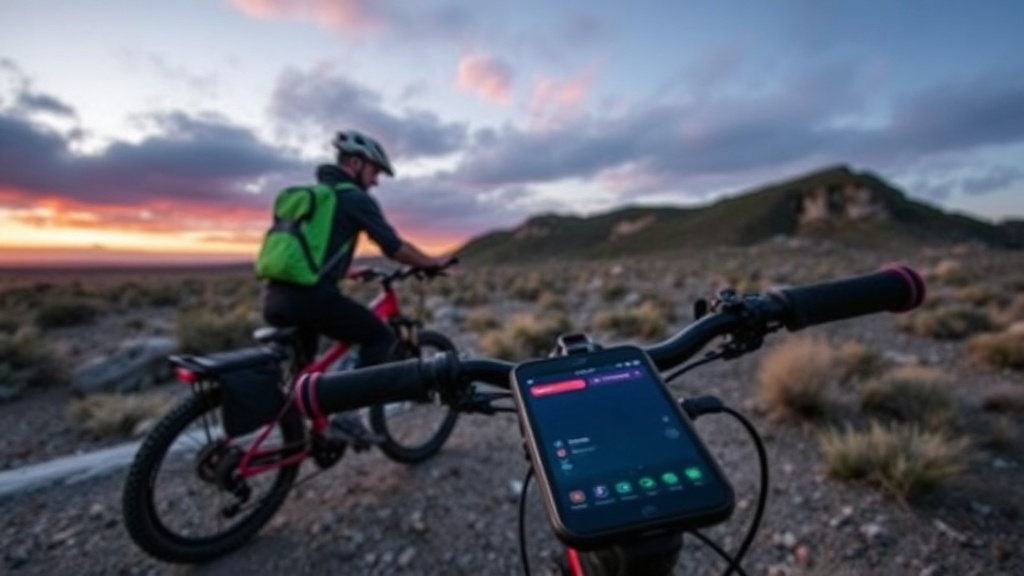
Keeping Your Electronics Charged on Remote Bike Tours

Quick Tip
Always carry a high-capacity power bank and a small solar panel to ensure your navigation stays active in remote areas.
A single red battery icon blinking on your GPS screen while you're miles from the nearest village is a feeling I wouldn't wish on anyone. When you're out on a remote bike tour, your electronics aren't just toys—they're your maps, your emergency contact tool, and your way to document the ride. This post breaks down how to keep your gear powered up when outlets are hard to find.
How do I charge my devices without a wall outlet?
You can charge your electronics using portable power banks or small solar chargers while you're on the move. If you're staying in small guesthouses or even camping, a high-capacity power bank is your best friend. I always carry a Anker PowerCore because it's reliable and holds enough juice for multiple days.
Solar panels are great for long-distance trekking, but they can be finicky depending on the weather. If you're riding through heavy forest cover or cloudy regions, don't rely solely on the sun. It's better to have a backup plan (like a high-capacity battery) than to hope for a sunny afternoon.
What is the best way to pack electronics for cycling?
The best way to pack electronics is in a waterproof, padded case tucked into the center of your bike bag. You want to avoid way too much weight in your panniers, but you also need to protect your gear from vibration and rain.
Here is a quick breakdown of what I recommend carrying for a remote tour:
- High-capacity Power Bank: Look for at least 20,000mAh (the Anker models are solid).
- Multi-port Wall Plug: Even if you're using a power bank, you'll want one fast charger for when you do find a cafe.
- Rugely Waterproof Case: To keep dust and moisture out of your USB ports.
- Braided Cables: They don't tangle as easily as thin plastic ones.
If you're still figuring out your gear list, check out my guide on packing light for long distance bicycle touring to see how to balance weight and utility.
How much weight should my power bank add?
A standard high-capacity power bank usually weighs between 12 and 18 ounces, which is negligible in a full touring setup. However, if you're trying to stay ultra-light, every ounce counts.
| Device Type | Weight (Approx) | Primary Use |
|---|---|---|
| Small Power Bank | 6 oz | Phone/GPS |
| Large Power Bank | 14 oz | Phone, GPS, and Headlight |
| Solar Panel | 1.5 lbs | Emergency/Long-term |
Worth noting: Always charge your devices overnight using your power bank so you aren't hunting for a socket while you're mid-ride. It's a simple habit that saves a lot of stress. Don't forget to check your cable connections before you head out for the day—one loose connection can leave you stranded.