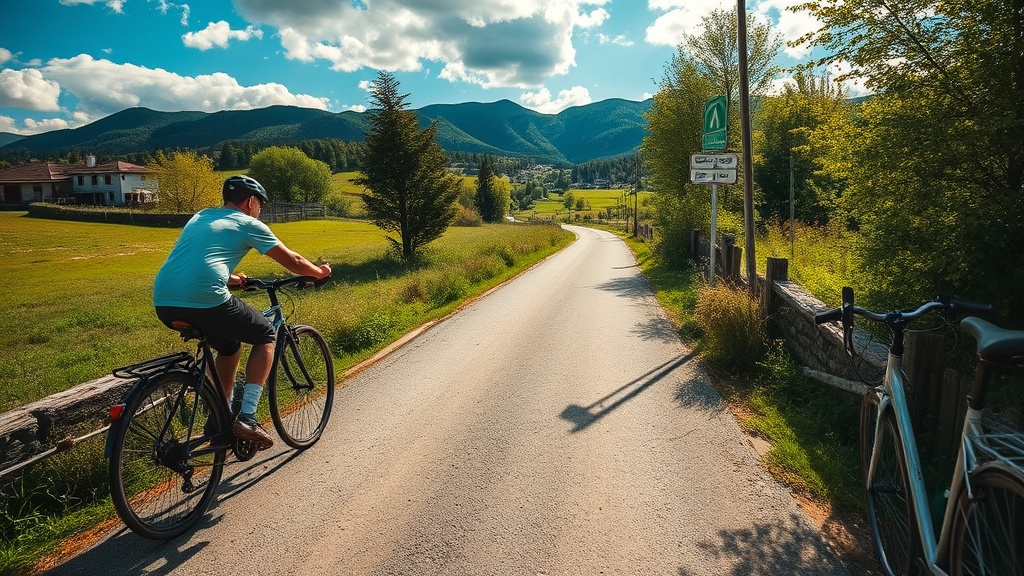
How to Plan Your First International Cycling Vacation
This guide walks through every step of planning your first international cycling vacation—from picking a destination that matches your skill level to booking bike-friendly accommodations and understanding what gear to pack. Whether you're dreaming of pedaling through the lavender fields of Provence or exploring the coastal routes of New Zealand, international cycling trips offer a unique blend of adventure, fitness, and cultural immersion that standard vacations simply can't match.
What's the Best Country for a First International Cycling Vacation?
The Netherlands tops most lists for good reason. Flat terrain, dedicated bike lanes, and a culture that genuinely embraces cycling make it ideal for beginners. The Netherlands Board of Tourism & Conventions reports over 35,000 kilometers of cycling paths—many completely separated from vehicle traffic.
That said, preferences matter. If rolling hills and wine country sound more appealing, consider France's Loire Valley. Want dramatic scenery without brutal climbs? Denmark's route network delivers. Here's a quick comparison of popular first-timer destinations:
| Destination | Best For | Season | Approx. Cost (per week) |
|---|---|---|---|
| Netherlands | Flat terrain, beginners | April–September | $1,800–$2,500 |
| Portugal (Alentejo) | Sunshine, value | March–June, September–October | $1,500–$2,200 |
| Ireland (Wild Atlantic Way) | Scenery, pubs, moderate hills | May–September | $2,200–$3,000 |
| Japan (Shimanami Kaido) | Unique experience, sea views | March–May, October–November | $2,000–$2,800 |
The catch? Don't let Instagram photos dictate your choice. A route that looks breathtaking might require serious climbing legs. Be honest about your current fitness—and remember that international cycling often involves longer days in the saddle than your weekend rides at home.
Should You Ship Your Own Bike or Rent One Abroad?
For trips under two weeks, renting almost always wins. Modern rental bikes—especially from established tour operators like Butterfield & Robinson or Exodus Travels—are meticulously maintained and sized to your specifications.
Here's the thing: shipping a bike internationally is expensive (often $300–$600 each way), risky (airlines damage bikes regularly), and logistically complicated. You'll need a hard case or quality soft bag, and you'll spend vacation time assembling and disassembling your machine.
When shipping makes sense:
- You're riding for three-plus weeks
- You have a custom-fit bike you can't replicate (unusual body geometry, previous injuries)
- The destination lacks quality rental options—think remote parts of Patagonia or Central Asia
If you do ship, invest in a EVOC Bike Travel Bag Pro or similar padded case. Remove the rear derailleur, wrap the frame in pipe insulation, and photograph everything before handing it to airline staff. Worth noting: some cyclists swear by services like ShipBikes.com, which handle customs paperwork and tracking.
What to Expect from Rental Bikes
European rental fleets typically feature brands like Trek, Specialized, or Cannondale. Hybrid touring bikes are standard—think flat bars, wider tires (32–38mm), relaxed geometry, and mounts for racks. Request a test ride before committing. Check brake responsiveness, saddle comfort (bring your own if you're particular), and gear range for the terrain ahead.
How Much Does an International Cycling Vacation Actually Cost?
Budget around $200–$400 per day for a mid-range self-guided trip, or $350–$600 for a fully supported tour with guides, luggage transfer, and most meals included. These figures assume you're not staying in luxury properties or eating at Michelin-starred restaurants every night.
Cost breakdown for a typical 10-day trip:
- Flights: $600–$1,400 (depending on season and departure city)
- Accommodation: $80–$200 per night (bike-friendly guesthouses, small hotels)
- Bike rental: $25–$50 per day
- Meals: $40–$80 per day
- Tour operator (optional): $2,500–$4,000 for full package
- Insurance: $100–$200 for trip and medical coverage
- Miscellaneous: $200–$400 (souvenirs, emergencies, tips)
Money-saving strategies exist. Self-guided tours using apps like Komoot or Ride with GPS cost a fraction of guided packages. Traveling in shoulder season (April–May or September–October) slashes accommodation prices by 30–40% in many European destinations. Cooking some meals—easy if you book apartments with kitchens through Booking.com or Airbnb—keeps daily costs manageable.
Packing Essentials: What Actually Matters
You don't need everything in your cycling closet. Focus on versatility—pieces that work on the bike, at dinner, and in light rain.
Clothing:
- Two pairs of quality padded shorts (bibs are worth the extra cost—no waistband digging in on long days)
- Three moisture-wicking jerseys (merino wool handles odor better than synthetic)
- One lightweight, packable rain jacket (the Castelli Emergency 2 Jacket or Rapha Classic Rain Jacket II are proven options)
- Arm warmers and leg warmers (more versatile than full tights)
- Cycling shoes with recessed cleats (walkable when off the bike—Shimano RC3 or similar)
- One casual outfit for evenings (dark jeans, button-down or nice top)
Tools and spares: Multi-tool with chain breaker, spare tubes (two), tire levers, mini pump or CO2 inflator, chain quick link compatible with your rental bike's drivetrain, and a small rag. Most European bike shops are excellent, but being stranded 20 kilometers from the nearest town with a flat tire isn't fun.
Documents: Passport (obviously), travel insurance details, International Driver's Permit (if renting a car for any portion), and a printed copy of your bike rental agreement. Digital backups on your phone—fine. But paper doesn't need battery.
Training: How to Prepare Your Body
Start building base fitness three months before departure. Aim for three to four rides weekly, gradually increasing your longest ride to match (or exceed) your planned daily distance. If your itinerary calls for 60-kilometer days with hills, you should comfortably handle 80 kilometers at home—travel fatigue, navigation stops, and unfamiliar food all drain energy faster than expected.
Include back-to-back riding days in your training. The ability to ride Saturday and Sunday—or better, three days consecutively—prepares you for multi-day tours in a way single long rides don't. Your body needs to learn recovery while still moving.
Practice riding fully loaded if you'll carry panniers. Even 10 extra pounds changes handling, especially on descents. Load your heaviest items low and centered.
Booking Your Trip: Timing and Strategy
Popular routes—like the Danube Cycle Path from Passau to Vienna or the Côtes du Rhône wine route—fill up months in advance for peak summer dates. Book accommodations six months ahead for July and August travel. April, May, September, and October offer better availability, lower prices, and often ideal weather (cooler days, fewer tourists).
When comparing tour operators, ask specific questions:
- What's the maximum group size?
- Are routes on dedicated bike paths or shared roads?
- What happens if you have mechanical issues mid-ride?
- Are rest days built into the itinerary?
- What's the cancellation policy if injury prevents travel?
Self-planners should use resources like France Vélo Tourisme (the official French cycling tourism site) or Cycline for German-speaking regions. These platforms list certified bike-friendly accommodations—properties with secure storage, repair tools, and early breakfast options.
Real-World Tips From the Road
Jet lag hits harder when you're physically exerting yourself. Schedule a recovery day—or at least a short, flat route—after international arrivals. Don't underestimate the mental fatigue of navigation in unfamiliar places, currency conversion, and language barriers.
Learn basic bike terminology in the local language. "Flat tire," "brake," "derailleur," and "help" will get you surprisingly far. Google Translate's camera feature reads menus and signs—download offline language packs before departure.
Carry snacks. European cycling culture assumes café stops every 20–30 kilometers, but rural stretches in Portugal, Spain, or rural France can go hours without services. A spare Clif Bar or local equivalent prevents bonking.
Finally—embrace flexibility. The best cycling stories usually come from wrong turns, unexpected weather, and conversations at village cafés that weren't in the guidebook. Plan thoroughly, then hold those plans loosely enough to enjoy the ride.
Steps
- 1
Choose Your Destination and Season
- 2
Map Your Route and Book Accommodations
- 3
Prepare Your Gear and Training Plan