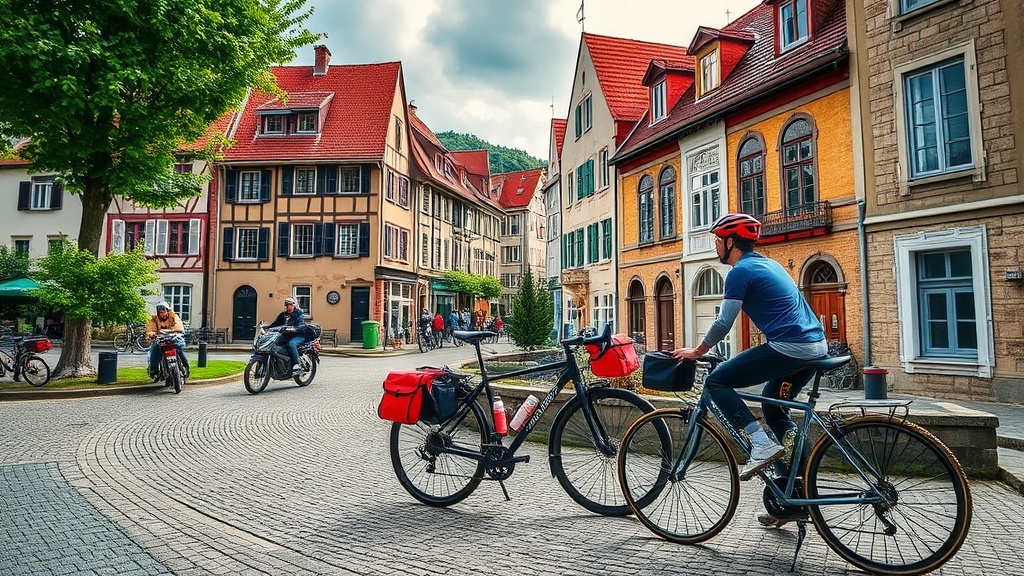
How to Plan Your First European Cycling Vacation: A Complete Guide
Planning a European cycling vacation involves more than just booking a flight and hoping for the best. This guide covers route selection, timing, gear decisions, training schedules, and budget planning—everything needed to transform that bucket-list dream into a well-executed adventure. Whether the goal is cruising through French vineyards or tackling Alpine passes, the preparation makes all the difference between a trip you'll remember fondly and one you'll want to forget.
What's the Best Time of Year to Cycle in Europe?
The answer depends on where you're headed. Southern European destinations like Tuscany, Provence, and Portugal's Algarve region shine from April through June and again from September to October. Temperatures hover in the comfortable 65-75°F range, crowds haven't reached peak summer density, and wildflowers (in spring) or grape harvests (in fall) add scenery to the miles.
Here's the thing: July and August aren't automatically off-limits, but they require strategy. Northern Europe—think the Netherlands, Denmark, and southern Sweden—actually benefits from summer's extra daylight and milder warmth. The famous Amsterdam-to-Bruges route, for instance, buzzes with energy in July, and the long evenings mean you can start late and still clock serious miles before sunset.
Mountain regions like the Alps and Pyrenees present a different calculus. Snow can linger on high passes into late June, and afternoon thunderstorms become predictable hazards by early July. Many experienced cyclists target late June for Alpine routes—the snow has cleared, the tour buses haven't arrived in force, and hotel rates haven't hit their summer peak.
Worth noting: shoulder season travel (April-May and September-October) typically saves 20-30% on accommodations. The trade-off? Some rural restaurants and smaller hotels operate on reduced schedules, particularly in less touristy regions. Always confirm operating hours before committing to a route that depends on specific services.
How Do You Choose the Right Route for Your Skill Level?
Start with honest assessment. European cycling routes fall roughly into four categories: flat rail-trails, rolling countryside lanes, moderate mountain terrain, and serious alpine climbing. The gap between "I ride my bike on weekends" and "I can handle sustained climbing" matters enormously when you're four days into a trip and facing a mountain pass.
Europe's rail-trail networks—converted railway lines with gentle gradients—offer an ideal entry point. Italy's network of ciclabili includes the famous Adige Valley route from the Alps to Verona, almost entirely car-free. France's Véloroutes system spans over 24,000 kilometers, with many segments following canals and rivers. These routes accommodate heavier touring bikes, require minimal technical skill, and connect towns with reliable services.
That said, don't automatically dismiss hillier terrain. The catch? Daily distances need adjustment. A cyclist comfortable with 60 flat miles might manage only 35-40 in the hills of Umbria or the Dordogne. Build that reality into your itinerary. Better to finish early and enjoy a long lunch than to arrive at your hotel after dark, exhausted and possibly soaked.
Consider these route categories when planning:
| Route Type | Examples | Daily Distance | Best For |
|---|---|---|---|
| Flat Rail-Trails | Loire Valley (France), Danube Path (Austria/Germany) | 40-60 miles | First-timers, families, loaded touring |
| Rolling Countryside | Tuscany's Chianti region, Provence's Luberon | 30-50 miles | Intermediate cyclists seeking scenery |
| Coastal Routes | Croatia's Dalmatian Coast, Portugal's Rota Vicentina | 25-45 miles | Those wanting water views with moderate climbing |
| Alpine Passes | Alpe d'Huez, Stelvio Pass, Mont Ventoux | 20-40 miles | Experienced cyclists with dedicated training |
Should You Bring Your Own Bike or Rent One Abroad?
Renting locally usually wins for first-timers. The hassles of boxing a bike, airline fees (often $150-200 each way), reassembly, and potential damage during transit add stress that rental eliminates. European bike rental infrastructure has matured significantly—quality road bikes, gravel bikes, and e-bikes are widely available in cycling destinations.
Companies like BikeTours.com and local outfitters in major cycling regions stock reputable brands: Trek, Specialized, Cannondale, and European favorites like BMC and Canyon. Expect to pay €25-45 daily for a quality road bike, with multi-day discounts common. E-bikes run €40-65 per day—steeper, yes, but they transform hilly routes into manageable adventures for cyclists of varying fitness levels.
Bringing your own bike makes sense under specific circumstances. If you're particularly tall or short, if you ride a custom-fitted bike that took months to dial in, or if you're planning an extended trip (three weeks or more), the familiarity outweighs the inconvenience. Some cyclists also prefer their own saddle and pedal setup—small details that matter enormously on day five.
The middle ground? Bring your own saddle, pedals, and shoes; rent the frame. Most reputable shops accommodate this swap, and it preserves that connection between body and machine without the shipping logistics.
What Should You Pack for a European Cycling Trip?
Packing discipline separates enjoyable cyclists from miserable ones. The temptation to prepare for every contingency leads to overloaded panniers and exhausting climbs. Here's a tested approach: lay out everything you think you need, then remove half.
Clothing follows a simple formula. Three cycling kits (bib shorts and jerseys) allow rotation—one on your body, one drying from yesterday's wash, one clean in reserve. Merino wool base layers work across temperature ranges and resist odor better than synthetics. A lightweight packable jacket (the Rapha Brevet Insulated Jacket or Endura GV500 represent solid options) handles unexpected weather without bulk.
Off-bike clothing should fit in a single small packing cube. Europeans generally dress neatly for dinner, but cycling tourists get reasonable latitude. A pair of dark jeans, one collared shirt or nice blouse, and comfortable walking shoes suffice for most evenings. The rest? You're wearing cycling gear or casual athletic wear.
Tools and spares deserve serious attention. Even on supported trips, carry: two spare tubes (matching your rental's valve type—Presta vs. Schrader matters), a patch kit, tire levers, a multi-tool with chain breaker, and a portable pump. A small first-aid kit with blister pads, pain relievers, and antiseptic wipes has saved many trips from early termination.
One often-overlooked item: a physical map or downloaded offline route. GPS batteries fail. Cell service disappears in valleys. Having backup navigation prevents the stress of unexpected detours in unfamiliar territory.
How Much Does a European Cycling Vacation Cost?
Budgets vary wildly based on comfort preferences and trip style, but realistic planning prevents mid-trip financial stress. A self-supported budget trip might run $80-120 daily; a guided luxury experience easily tops $400-600 per day. Most first-timers land somewhere in the middle.
Breaking down typical mid-range costs for a 10-day trip:
- Flights: $600-1,200 from North America (book 3-4 months ahead for better rates)
- Accommodations: €80-150 nightly for comfortable hotels with secure bike storage—budget €50-70 for guesthouses or agriturismos
- Bike rental: €30-50 daily (less for longer rentals)
- Meals: €40-70 daily eating well but not extravagantly—European hotel breakfasts are substantial, and picnic lunches from markets cost little
- Transport between stages: €50-150 total for trains that accommodate bikes
- Miscellaneous: €100-200 for entry fees, unexpected repairs, that amazing wine you couldn't resist
Guided tours—where logistics, luggage transport, and route planning are handled—typically run $2,500-4,500 for 7-10 days excluding flights. Companies like Backroads, Trek Travel, and DuVine have refined the experience, but independent travelers save significantly by handling their own arrangements.
The catch? Independent travel requires more upfront planning. Booking hotels two months ahead in popular regions (Tuscany in May, Provence in September) isn't just recommended—it's necessary. The best value accommodations with cyclist-friendly policies fill quickly.
How Should You Train for the Trip?
Start preparing at least 8-12 weeks before departure. The goal isn't Olympic fitness—it's completing your planned daily distances without misery. If your itinerary averages 40 miles daily with moderate hills, you should comfortably ride 50-60 miles on home terrain by three weeks before departure.
Structure training in phases. Weeks 1-4 build base mileage—steady, conversational-pace rides three times weekly. Weeks 5-8 introduce intensity: one longer weekend ride matching your trip's longest day, plus two shorter rides with hill repeats if your route includes climbing. Weeks 9-10 taper slightly, maintaining fitness without creating fatigue.
Don't ignore strength and flexibility. Cycling-specific yoga (found on platforms like Glo or through local studios) addresses hip flexor tightness that long days in the saddle create. Core strength—planks, dead bugs, Pallof presses—prevents the lower back pain that ruins otherwise perfect routes.
Practice with loaded panniers if you're self-supported. Even 20 extra pounds changes bike handling, climbing response, and braking distance. Better to discover these dynamics on familiar roads than on a descent in the Pyrenees.
Final Practical Tips for First-Timers
Travel insurance covering cycling activities is non-negotiable. Standard policies often exclude "dangerous activities"—a category that sometimes includes road cycling. Verify coverage specifically, and consider policies from World Nomads or similar adventure-focused providers.
Learn basic bike maintenance before you go. Fixing a flat, adjusting brakes, and knowing when a derailleur adjustment is beyond your skill set prevents minor mechanicals from becoming trip-ending ordeals. YouTube channels like Park Tool offer excellent free instruction.
Embrace the European rhythm. Many small-town shops close midday (12:30-3:30 PM in France, slightly variable elsewhere). Plan lunch accordingly—either finish riding before 12:30 or push through to evening. The afternoon break isn't an inconvenience; it's an opportunity for a long, slow lunch that becomes a trip highlight.
Finally, build buffer days. Weather happens. Bodies rebel. A rest day every 4-5 riding days—or at least a lighter "recovery ride" day—keeps enthusiasm high and legs fresh. Some of the best memories come from unplanned explorations: the hill town discovered when rain forced an early stop, the winery stumbled upon during an extended lunch, the conversation with a local cyclist who recommended a detour that wasn't in any guidebook.
Your first European cycling vacation won't be perfect. Something will go wrong—a missed train connection, a rain-soaked afternoon, a hotel that looked better in photos. But the imperfect moments become the stories you'll tell later, the experiences that transform a simple bike trip into something you'll want to repeat, next time on a different route, with new challenges and discoveries waiting around every bend.
Steps
- 1
Choose Your Destination and Route
- 2
Select the Right Bike and Gear
- 3
Book Accommodations and Plan Your Itinerary