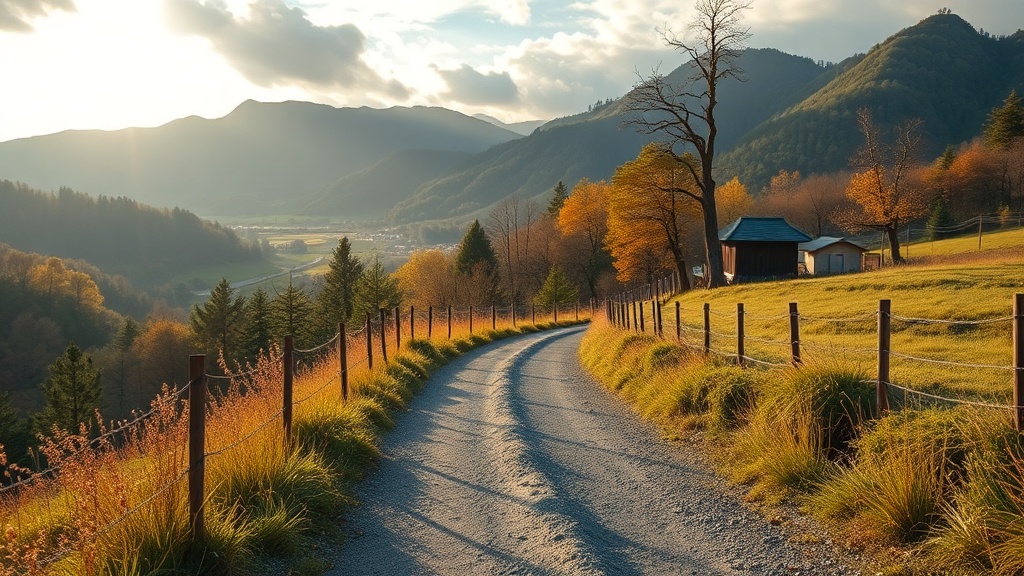
Finding the Best Biking Paths Through the Japanese countryside

Why is cycling through rural Japan so different from the cities?
Have you ever wondered why the vibe shifts so drastically once you leave the neon lights of Tokyo or Osaka? While the major cities are famous for their efficiency and subway networks, the real magic happens in the quiet, winding roads of the countryside. Exploring the Japanese countryside on two wheels isn't just about the physical movement; it's about the change in pace. You'll swap crowded train stations for rice paddians, bustling intersections for mountain shrines, and high-speed trains for the steady rhythm of your pedals. This post covers the logistics of rural exploration, the best regions for scenery, and what to expect when you leave the paved highways behind.
The transition from urban density to rural stillness is quite abrupt in Japan. In the cities, you're constantly dodging pedestrians and navigating complex intersections. Once you head into regions like Shikoku or the outskirts of Nagano, the scale changes. The roads might be narrower, but the scenery becomes far more expansive. You aren't just traveling from point A to point B; you're soaking in the atmosphere of a place that feels frozen in time. It's a different kind of mental space that requires a bit more patience and a lot more observation.
Which regions offer the best routes for a cycling vacation?
Choosing a destination depends heavily on your comfort with elevation. If you want something relatively flat and scenic, the Shimanami Kaido is the gold standard. It's a series of bridges connecting islands in the Seto Inland Sea. It's well-documented and incredibly beautiful, making it a perfect choice if you're worried about technical climbs. You can find detailed maps and official route info via the Shimanami Kaido official site, which helps clarify exactly what to expect from the terrain.
If you're looking for something more rugged, the mountains of central Japan offer a completely different experience. The climbs are much steeper, and the weather can be unpredictable. This is where you'll find much less traffic, but also fewer amenities. You'll need to be more self-reliant here. On the other hand, the northern reaches of Hokkaido provide vast, open spaces that feel almost endless. It's much less crowded than the southern islands, offering a sense of isolation that's hard to find anywhere else in the country. Just keep an eye on the wind—it can be a real factor in the north.
What kind of gear should I bring for rural trips?
When you're out in the countryside, you can't just pop into a convenience store to fix a broken spoke or find a specific spare part. Your gear needs to be more specialized. I always recommend carrying a basic repair kit that includes a multi-tool, spare tubes, and a decent pump. Don't forget that many rural areas have limited English signage, so having a digital map that works offline is a life-saver. You might want to look at Komoot or similar platforms to plan your routes ahead of time, as local knowledge can be hard to find in English during the ride.
One thing people often forget is the importance of weather-ready clothing. Even if you're riding in the summer, a sudden downpour in the mountains can drop the temperature significantly. A lightweight, packable rain shell is a non-negotiable. You don't want to be stuck in a rural village with a soaked kit and no way to dry off. Also, consider your luggage. If you're doing a multi-day tour, panniers are much more stable than a backpack, which can cause back fatigue over long distances. A stable bike allows you to focus on the view rather than the weight on your shoulders.
How do I find accommodation that welcomes cyclists?
Finding a place to stay in the countryside can be a bit trickier than in the city. While major hotels in Tokyo will have no trouble with your bike, a small mountain inn (ryokan) might be more hesitant. It's always better to ask in advance. If you're staying in a traditional inn, they might have strict rules about bringing bicycles inside the room. Sometimes they'll allow you to keep it in a secure shed or a garage, but it's better to be clear about your needs during the booking process. This prevents any awkward conversations upon arrival.
Many travelers find that the best way to experience the local culture is by staying in smaller, family-run guest houses. These spots often provide much more character than a standard business hotel. You'll get to see the local way of life and often receive much better recommendations for local food than you would from a standard guidebook. Just be prepared for the fact that these places might have more limited amenities—don't expect a high-tech gym or a massive breakfast buffet. The focus here is on the hospitality and the local connection.
If you're traveling solo, the cycling community in Japan is quite welcoming. There are often small cafes and rest stops that become unofficial hubs for travelers. It's a great way to meet people who are also out exploring the country. Whether you're riding through the coastal paths or the mountain passes, you'll often find that a simple nod or a brief chat at a rest station can lead to some great insights about the area. Just remember to be respectful of the quiet pace of rural life; the locals value their peace and quiet just as much as you value your ride.