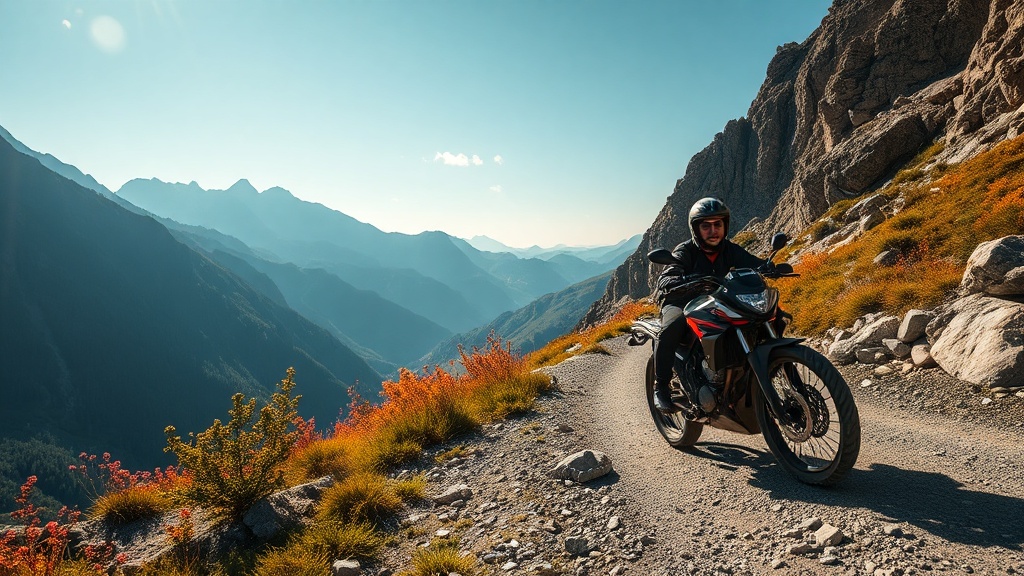
Exploring the Rugged Charm of the Dolomites on Two Wheels
The Vertical Challenge of Northern Italy
Nearly 60% of the Dolomites' dramatic limestone peaks are over 3,000 meters high, creating a vertical environment that few places on Earth can match. This region of Northern Italy isn't just a pretty backdrop for photos; it's a high-stakes arena for cyclists who want to test their legs against steep gradients and sharp hairpins. Whether you're a road cyclist looking for legendary climbs or a gravel enthusiast seeking high-altitude beauty, understanding the specific demands of this terrain is the difference between a successful trip and a grueling struggle. This post covers the logistics, the routes, and the reality of riding through these jagged mountains.
The Dolomites offer a specific type of physical demand. You aren't just fighting distance; you're fighting gravity. The sheer scale of the Sella Group or the Marmolada glacier makes everything feel larger than life. If you're planning a trip here, you need to respect the weather as much as the incline. A sunny morning can turn into a freezing downpour by noon—it's quite common. This isn't a place for casual, unprepared riders. You need a strategy for altitude, gear, and nutrition that accounts for the rapid shifts in temperature.
What is the best time of year to ride the Dolomites?
Timing is everything when you're dealing with high-altitude passes. Most cyclists aim for the window between late June and mid-September. Before June, many of the high-altitude passes (like the Passo Pordoi) might still be blocked by snow or have dangerous slush levels. After September, the temperature drops sharply, and the risk of early frost increases. If you want to avoid the heaviest crowds, aim for the shoulder months of June or September, but be prepared for unpredictable weather patterns.
For a reliable look at weather patterns and seasonal trends, checking the Meteo Nazionale can provide localized forecasts that are much more accurate than general global apps. You'll want to track the daily temperature shifts to ensure you aren't caught in a descent without a proper windbreaker or thermal layer. A light jacket in the valley can be a heavy coat once you hit the summit of a pass.
Key Mountain Passes to Include
If you're building a route, you'll likely gravitate toward the "Sellaronda." This is a loop around the Sella massif that includes some of the most iconic climbs in the world. It's a rite of passage for many. Here are a few highlights:
- Passo Giau: Often cited as one of the most beautiful—and difficult—climbs in the region. The gradient is relentless.
- Passo Falzarego: A classic climb that provides incredible views of the Tofana peaks.
- Passo Pordoi: A long, steady grind that rewards you with sweeping vistas of the Val Badia.
How much gear do I need for high-altitude cycling?
Your kit needs to be modular. You aren't just packing for a ride; you're packing for three different climates in a single afternoon. I recommend a layering system that allows for quick adjustments. A high-quality, lightweight rain shell is non-negotiable. Even if the forecast looks clear, the mountains make their own rules. You should also carry a basic repair kit that includes a multi-tool, spare tubes, and a CO2 inflator. High-altitude riding often means more wear on your components, and finding a bike shop in a remote mountain village isn't always easy.
Don't forget to check the technical specifications of your bike's gearing. If you're planning on tackling 10% or 12% gradients with a loaded bike, you'll want a compact crankset or a wide-range cassette. A gear ratio that works in the flatlands will leave you stranded on a climb like the Passo Giau. If you find yourself struggling, don't be afraid to use a smaller gear—the goal is to finish, not just to suffer.
Nutrition and Hydration at Altitude
At higher altitudes, your body burns through glycogen much faster. The air is thinner, and your breathing is more labored. You need to eat more frequently than you think. Instead of one large meal, aim for small, consistent hits of carbohydrates. Liquid nutrition is also helpful, as it can be hard to eat solid food while your heart rate is elevated. Keep an eye on your salt intake as well; you'll be sweating more than you realize, even if the air feels cool.
Which towns are best for a cycling base?
Choosing a base depends on your style. If you want luxury and easy access to high-end amenities, Cortina d'Ampezzo is the place to be. It's the "Queen of the Dolomites" and offers a more upscale experience. However, if you want something a bit more rugged and community-focused, look toward Val Gardena or Corvara. These areas are deeply embedded in the cycling culture, and you'll find plenty of people out on the roads at all hours of the morning.
Staying in a town with a strong "cycling-friendly" reputation means you'll find better mechanical support and more specialized cafes. These spots are designed for people who spend their days in lycra. You'll find plenty of high-protein meals and easy-to-digest snacks, which is exactly what you need after a four-hour climb. Just make sure your accommodation offers secure bike storage—it's a basic requirement when you're traveling with expensive machinery.