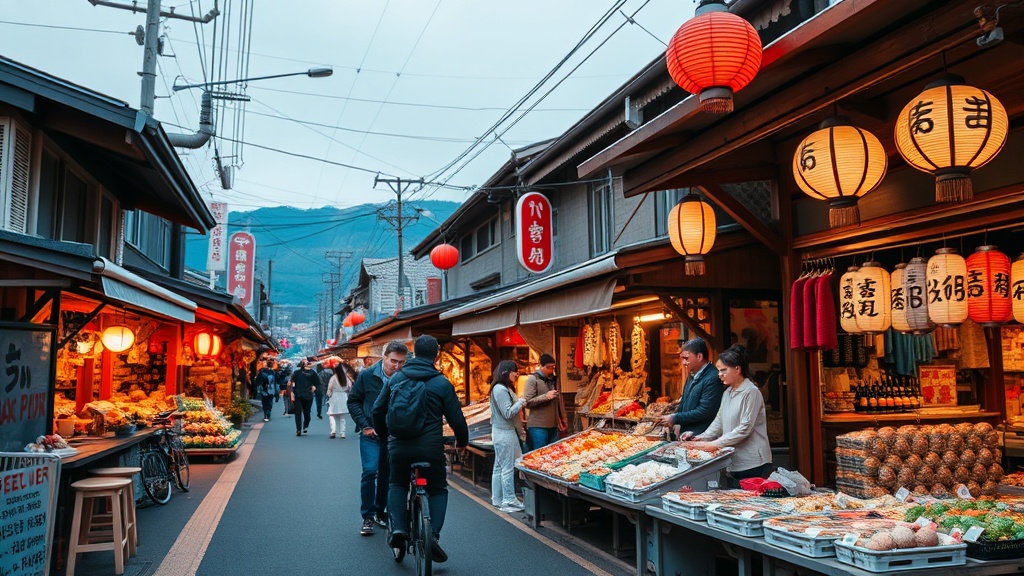
6 Best Local Markets to Visit During a Cycling Tour in Japan

Tsukiji Outer Market, Tokyo
Nishiki Market, Kyoto
Omicho Market, Kanazawa
Yanagibashi Market, Fukuoka
Koyasan Morning Market, Wakayama
Makiko Market, Hokkaido
The smell of toasted sesame oil and freshly grilled unagi hits you long before you see the stalls. A vendor flips a skewer of yakitori over glowing binchotan charcoal, the fat sizzling and popping in the humid air. Nearby, a wooden bucket overflows with bright, seasonal citrus, and the sound of rhythmic chopping from a sushi stall provides a steady backbeat to the morning chatter. This is the sensory overload of a Japanese market—a place where high-quality ingredients meet deep-rooted tradition.
Visiting local markets is one of the best ways to refuel during a cycling tour in Japan. It gives you a chance to grab high-protein snacks, fresh fruit for hydration, and local delicacies that won't weigh you down on the road. Instead of relying on convenience stores, these markets offer a more authentic taste of the region. This list highlights the six best markets to visit, categorized by region and what makes them worth the detour.
Where is the best place to find fresh seafood in Tokyo?
Tsukiji Outer Market is your best bet for high-end seafood and street food in Tokyo. While the famous wholesale inner market moved to Toyosu, the Outer Market remains the heart of the action for travelers. You can find everything from hand-rolled nigiri to grilled scallops right on the street. It's a perfect stop if your cycling route takes you through the central Tokyo area.
If you're riding through Tokyo, you'll notice the crowds can be intense. I recommend arriving early—around 7:00 AM—to beat the heavy pedestrian traffic. It's much easier to maneuver a bike through the side streets if you aren't fighting a sea of tourists. Grab a bowl of kaisen-don (seafood over rice) to fuel up for a long day of pedaling.
- Must-try: Fresh Toro (fatty tuna) nigiri.
- Pro Tip: Look for stalls with short lines; they are often just as good as the famous ones.
- Cycling Note: Use the nearby bike parking lots rather than trying to ride directly into the market alleys.
What should I eat at Nishiki Market in Kyoto?
You should eat traditional Kyoto specialties like pickled vegetables, soy milk donuts, and fresh seafood skewers at Nishiki Market. This "Kitchen of Kyoto" is a narrow, five-block long shopping street that is a dream for food lovers. Since Kyoto is a major hub for cycling tours, this is a mandatory stop for any touring cyclist.
The market is famous for its variety. You'll see vendors selling everything from high-grade matcha to incredibly fresh octopus. It's a great place to pick up lightweight, high-energy snacks like dried fruit or nuts for your ride later in the day. If you're looking for more advice on how to manage your weight and nutrition while riding, check out my guide on packing light for long distance bicycle touring to ensure your gear isn't weighed down by too many heavy snacks.
One thing to keep in mind: many stalls in Nishiki have a "no eating while walking" rule. You're expected to stand near the stall while you eat your snack. It's a small sign of respect to the local culture. It's actually quite easy to follow once you see how everyone else does it.
| Market Name | Primary Specialty | Best For |
|---|---|---|
| Tsukiji (Outer Market) | Seafood & Sushi | A high-energy breakfast |
| Nishiki Market | Pickles & Traditional Kyoto Food | Light, flavorful snacks |
| Kuromon Ichiba | Premium Fruit & Wagyu | A luxury mid-ride treat |
| Omicho Market | Fresh Crab & Seafood | Hearty lunch |
How much does a meal cost at Osaka's Kuromon Ichiba Market?
A typical meal or snack at Kuromon Ichiba Market will cost between 500 and 3,000 JPY (roughly $3 to $20 USD). You can grab a single stick of grilled seafood for a few hundred yen, or sit down for a full seafood bowl that might run a bit higher. It's very budget-friendly for cyclists on a long-distance tour.
Osaka is often called "Japan's Kitchen," and Kuromon is the crown jewel. If you're cycling through the Kansai region, this is where you find the real deal. The energy here is infectious. You'll see people standing around steaming baskets of takoyaki (octopus balls), and the smell of grilled eel is everywhere. It's a great place to pick up some high-calorie fuel before a big climb.
For those interested in the logistics of cycling in Japan, the Official Japan Travel Guide provides excellent information on regional transport and local customs. Knowing these details helps you blend in while you're scouting for food.
Is Omicho Market worth the detour in Kanazawa?
Yes, Omicho Market is worth the detour if you want to experience the best seafood from the Sea of Japan. Kanazawa is a beautiful, slightly quieter city compared to Tokyo or Osaka, making it a fantastic cycling destination. The market is a hub for high-quality crab and gold-leaf decorated treats.
I love the pace of Kanazawa. It's less frantic than the big metros, which makes it a better environment for a touring cyclist. You can park your bike, grab a bowl of seafood, and get back on the road without feeling rushed. The seafood here is incredibly fresh, often arriving directly from the local coast.
The market is a great place to find "Bento" boxes. These are pre-packed meals that are easy to carry. If you're planning a long ride through the Ishikawa prefecture, picking up a high-quality bento can save you time and money. It's a much more efficient way to eat than searching for a sit-down restaurant in the middle of a ride.
What are the best street foods in Fukuoka's Yanagibashi Rengo Market?
The best street foods in Yanagibashi Rengo Market are fresh sashimi, spicy mentaiko (pollock roe), and local seafood broth. This market is the largest in Fukuoka and serves as a vital resource for anyone cycling through Kyushu. The seafood here is incredibly cheap and high-quality.
Fukuoka is a fantastic city for cyclists because of its flat terrain and great food culture. Yanagashi Rengo Market is a bit more "local" than the famous tourist spots in Tokyo. You'll see more locals here, which usually means the food is even better and the prices are lower. It's an excellent place to grab some protein-rich seafood to help with muscle recovery after a long day in the saddle.
Don't be afraid to try the mentaiko. It's a local staple and provides a great kick of flavor. It's also a great way to add some salt and electrolytes back into your system after a sweaty ride. Just remember that many of these markets are most active in the early morning hours.
How do I find the best local food while cycling in Japan?
The best way to find local food is to look for "Michi-no-Eki" (Roadside Stations) and local markets near major transit hubs. While not strictly "markets" in the traditional sense, these roadside stations are a cyclist's best friend. They are scattered throughout the countryside and offer fresh, local produce, snacks, and often even basic amenities.
If you're riding through rural areas, don't overlook these stations. They are a goldmine for regional specialties. You might find a specific type of fruit or a local pastry that you won't find anywhere else in the country. It's a great way to experience the micro-regions of Japan as you move from one prefecture to another.
When you're looking for food, keep an eye out for the Michi-no-Eki signs. They are essentially a network of rest areas that provide much more than just a place to stretch your legs. They are a reliable way to find high-quality, affordable food without having to hunt through city centers. This is especially helpful if you're on a more remote route where convenience stores are sparse.
One thing to note: always carry some small denominations of yen. While Japan is becoming more card-friendly, the smaller stalls in local markets are still very much cash-only businesses. It's a common mistake to rely solely on a credit card and end up hungry because you couldn't pay for that delicious skewer of grilled meat.
Whether you're looking for a quick snack or a full meal, these markets offer a level of quality you just won't find anywhere else. They aren't just places to eat; they are a part of the culture you're experiencing on your bike. Enjoy the flavors, respect the local customs, and keep those pedals turning.