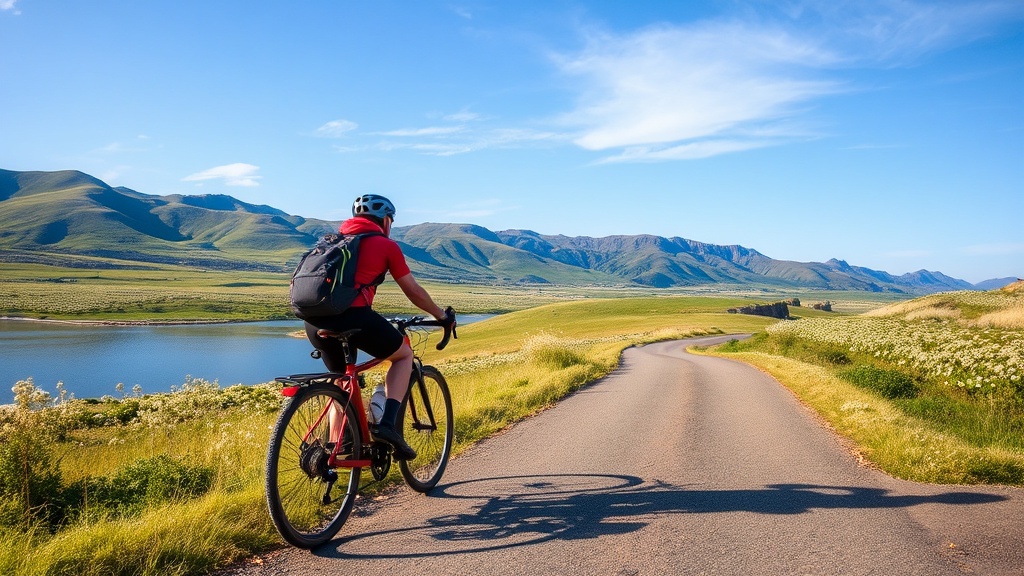
5 key Tips for Planning Your First Cycling Vacation
Choose the Right Destination for Your Skill Level
Invest in Quality Cycling Gear and a Reliable Bike
Plan Your Route and Daily Mileage Realistically
Book Accommodations with Cyclist-Friendly Amenities
Train Properly and Prepare for Weather Changes
A first cycling vacation shouldn't feel overwhelming. This guide breaks down five practical tips for planning a memorable two-wheeled getaway — from choosing the right destination to packing gear that won't weigh you down. Whether the goal is rolling through Tuscany's vineyards or tackling Colorado's mountain passes, these strategies will help build confidence before the first pedal stroke.
What Makes a Destination Good for Beginner Cyclists?
The best beginner-friendly cycling destinations share three qualities: manageable daily distances, reliable support services, and terrain that matches current fitness levels. Europe leads here — countries like the Netherlands, Denmark, and Austria have invested heavily in cycling infrastructure, creating networks of dedicated paths that keep riders away from busy roads.
Here's the thing: not every beautiful place works well for novices. The Pacific Coast Highway in California offers stunning ocean views, but narrow shoulders and heavy traffic create stress for inexperienced riders. Better alternatives for first-timers include Vermont's Great Allegheny Passage (a 150-mile rail-trail with gentle grades) or Portugal's Alentejo region, where quiet country roads connect medieval villages.
Worth noting — organized tour companies remove most planning headaches. Backroads and VBT Bicycling Vacations offer supported trips with luggage transfers, route maps, and van support. These services cost more (typically $3,000–$5,000 per week) but include accommodations, most meals, and equipment. For independent travelers, destinations with established bike-friendly lodging networks — like France's Accueil Vélo program — provide similar peace of mind at lower cost.
Climate Considerations
Weather shapes the experience more than most first-timers expect. A route that's pleasant in May becomes grueling in August heat. Spring and fall generally offer the best combination of mild temperatures and dry conditions for European destinations. For domestic trips, September in New England delivers crisp air and foliage without summer humidity.
How Much Should You Budget for a Cycling Vacation?
Expect to spend between $150 and $400 per person per day, depending on accommodation choices, dining preferences, and whether equipment rental enters the equation. This range covers mid-range hotels, restaurant meals, and incidental expenses — not flights or bike shipping.
The catch? Hidden costs trip up many first-timers. Bike rentals run $40–$75 daily for decent road bikes, while e-bikes command $60–$100. Shipping a personal bike costs $150–$300 each way through services like ShipBikes. Travel insurance with cycling coverage (recommended) adds 4–8% of trip cost. These numbers add up fast.
| Budget Level | Accommodations | Dining | Bike Situation | Daily Cost |
|---|---|---|---|---|
| Economy | Hostels, campgrounds, Warmshowers | Grocery stores, casual cafes | Own bike shipped | $75–$125 |
| Mid-Range | Three-star hotels, B&Bs | Mix of restaurants and picnics | Rental bike | $175–$250 |
| Comfort | Boutique hotels, châteaux | Sit-down dinners, wine | High-end rental or own bike | $300–$450 |
That said, money saved on accommodations often gets spent elsewhere. A $90 hotel room 10 miles off the route requires taxi rides or extra cycling time. Sometimes the pricier bike-friendly hotel in town center saves money overall.
What Gear Do You Actually Need to Bring?
Less than you think. Most cycling vacationers overpack, hauling clothing and tools that never leave the panniers. The golden rule: if it doesn't serve multiple purposes, leave it behind. Merino wool base layers work for cycling, casual dinners, and sleepwear. One pair of shoes should handle both riding (with clipless pedals) and walking (if you choose SPD-compatible models).
Here's what deserves space in the bag:
- Padded cycling shorts — two pairs minimum. Wash one, wear one. Brands like Pearl Izumi and Rapha offer reliable options around $100–$150.
- Lightweight rain jacket — even in dry climates, morning descents get chilly. The showers pass Elite 2.1 ($259) packs small and breathes well.
- Basic tool kit — spare tube, tire levers, mini pump, multi-tool with chain breaker. Know how to use them before departure.
- Small first aid kit — blister pads, pain relievers, antiseptic wipes, any personal medications.
- Document security — passport copies, emergency contacts, travel insurance details stored digitally and physically.
The real secret? Most forgotten items can be purchased locally. pharmacies in cycling-heavy regions stock chamois cream, energy gels, and sunscreen. Bike shops rent helmets (though bringing your own ensures proper fit). Pack for the first three days, not the entire trip.
How Do You Train for a Multi-Day Cycling Trip?
Start training eight to twelve weeks before departure, building from current fitness levels toward daily distances matching the trip itinerary. Someone currently riding 10 miles twice weekly should progress toward back-to-back 30-mile days with loaded panniers.
Here's the thing that separates successful trips from miserable ones: specificity matters more than raw fitness. Gym workouts build general capacity, but saddle time conditions the body for hours in riding position. The neck, lower back, and hands need gradual adaptation — tissues that don't stress-test well on spin bikes.
A sensible progression looks like this:
- Weeks 1–3: Establish baseline. Two rides weekly, 60–90 minutes each, comfortable pace. Focus on bike fit adjustments.
- Weeks 4–6: Add volume. Three rides weekly, including one longer weekend ride building toward trip distance. Practice eating and drinking on the bike.
- Weeks 7–9: Simulate trip conditions. Back-to-back riding days. Load the bike with expected gear weight. Test clothing choices.
- Weeks 10–12: Maintain fitness, taper before departure. Final long ride 10 days before travel. Rest matters.
Worth noting — elevation changes everything. A flat 40 miles differs enormously from 40 miles with 3,000 feet of climbing. If the destination involves hills (Tuscany, Colorado, the Alps), training must include elevation gain. Find hills locally, or use indoor trainers with gradient simulation like the Wahoo KICKR.
The Saddle Time Reality
Most beginners underestimate sitting tolerance. Even well-fitted bikes create pressure points over hours. Building toward consecutive 3–4 hour rides reveals whether the saddle works, whether shorts provide adequate padding, and where chamois cream becomes necessary. Discovering these issues on day one of a vacation ruins the experience.
Should You Book a Guided Tour or Plan Everything Yourself?
Guided tours suit riders who want social connection, language barriers, or logistical simplicity. Self-guided independent trips appeal to those prioritizing flexibility, lower costs, and spontaneous detours. Neither choice is wrong — they serve different traveler personalities.
Guided tours (like those from Trek Travel or DuVine) provide professional guides, support vehicles, planned meals, and pre-booked hotels. The group dynamic creates instant community — dinner companions, photo buddies, encouragement on tough climbs. The downside? Fixed schedules. Want to spend an extra half-day exploring that hilltop village? The group leaves at 8 AM regardless.
Self-guided tours through companies like Macs Adventure or Exodus Travels offer middle ground. They handle hotel bookings, luggage transfers, and provide route maps, but riders pedal independently. This hybrid approach costs 30–50% less than fully guided options while removing the most stressful planning elements.
That said, independent planning works beautifully for experienced travelers comfortable with mapping apps and foreign languages. Tools like Komoot and Ride with GPS create turn-by-turn directions for virtually any route. Booking.com and Airbnb list bike-friendly properties. The savings are substantial — often $1,000+ per week — but the time investment (20+ hours of research) factors into the equation.
Red Flags in Tour Companies
Not all operators deliver equal value. Before booking, verify: daily mileage accuracy (some underestimate to appear beginner-friendly), bike quality (ask for specific models, not "hybrid bikes"), and support response times. Read recent reviews mentioning mechanical issues or weather disruptions — these reveal how companies handle problems.
What Safety Precautions Matter Most?
Visibility and route awareness prevent most cycling vacation mishaps. Wear bright colors. Use lights even during daylight (the Cygolite Hotshot rear light has excellent daytime visibility). Assume drivers don't see you — because often they genuinely don't.
Health preparation extends beyond fitness. Visit a travel clinic four to six weeks before international trips. Update tetanus vaccination (key for any road rash situation). Consider evacuation insurance for remote destinations — a helicopter rescue in the Alps costs more than most weddings.
Here's the thing about road conditions abroad: assumptions kill. British cyclists visiting America face wider roads but faster traffic. Americans in Europe encounter narrower lanes but more respectful drivers. Each country has unwritten rules. In the Netherlands, cyclists have right of way — but pedestrians step into bike lanes without looking. In Italy, drivers expect cyclists to claim space aggressively. Research local cycling culture before arrival.
The best safety strategy? Start conservatively. Day one should feel almost too easy. Fatigue accumulates over multi-day trips, and judgment degrades before legs give out. That tempting descent after 50 miles of riding demands the same caution as the first hill of the morning. Experienced cycling vacationers finish each day with energy remaining — that's the mark of smart pacing, not inadequate effort.
Now the planning begins. Pick a destination slightly below current ability level. Book refundable accommodations where possible. Pack half the clothing initially considered necessary. The road awaits — and with proper preparation, it'll feel less like a challenge and more like the vacation it should be.